when a test has a reasonable chance of finding treatable disease or preventing cancer.
Cancer detection, without the sales fog
Finding cancer is not enough. The test has to help people live better or longer.
DetectCancer.org is the hub for a family of disease detection guides: symptoms not to ignore, who is at risk, what screening can actually prove, how biopsy and histology confirm disease, and where new blood tests or full-body MRI may help or harm.
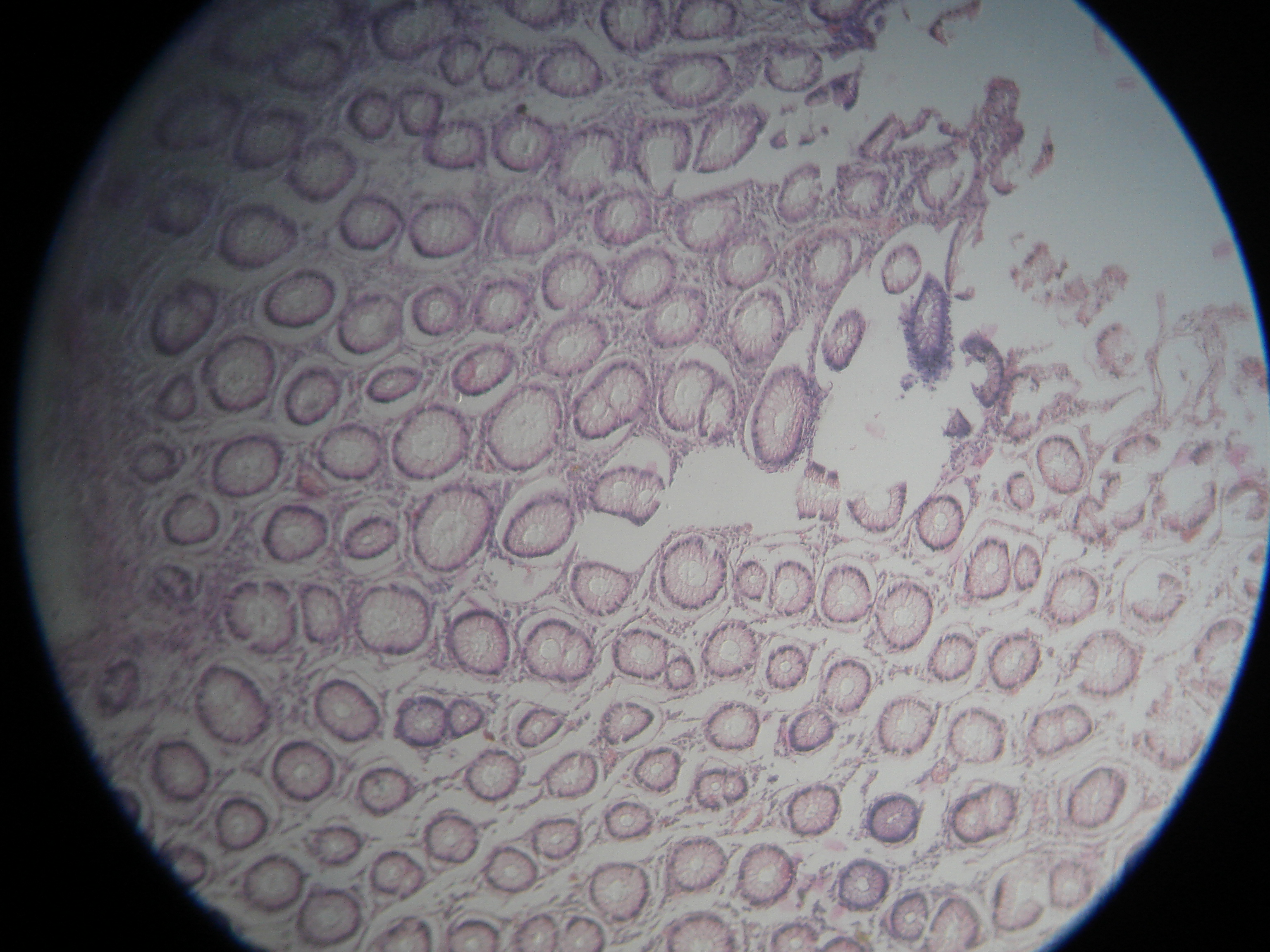
with imaging, endoscopy, biopsy, cytology, histology or genetics when suspicion is real.
stage III/IV disease, cancer-specific mortality, all-cause mortality, anxiety and overdiagnosis.
false reassurance from a weak negative test and cascades from false positives.
Live guides
The first spokes in the detection cluster.
These pages go deeper than a simple symptoms list. Each one covers risk, red flags, screening, diagnostic confirmation, histology, follow-up, trial evidence, harms and sensible crosslinks.
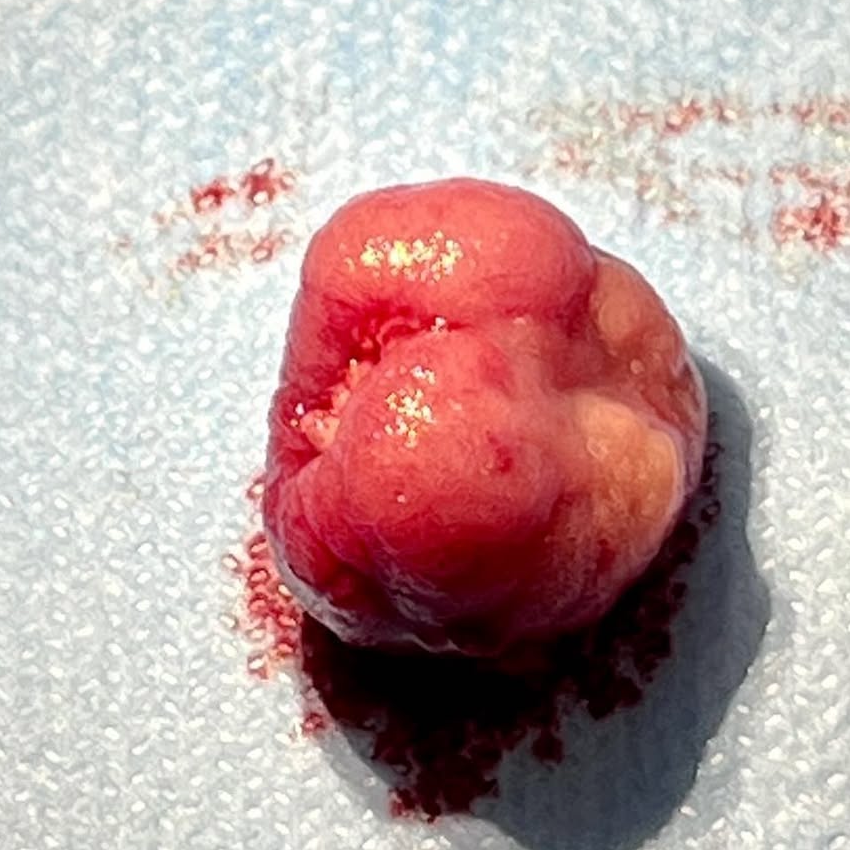
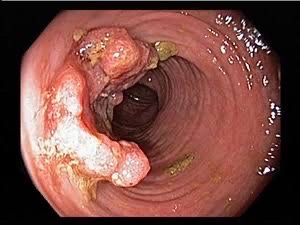
Colon cancer detection
FOBT, FIT, stool DNA, colonoscopy quality, cecal intubation, bowel prep, AI-assisted colonoscopy, polyp histology and surveillance intervals.

Prostate cancer detection
PSA, repeat PSA, MRI, DRE context, transperineal biopsy, Gleason grade, staging and modern active surveillance versus treatment decisions.
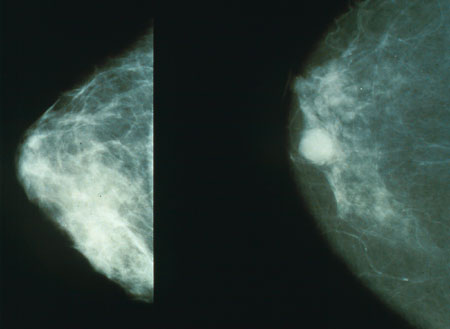
Breast cancer detection
Mammography, ultrasound, MRI, dense breasts, BI-RADS, biopsy, histology, receptors, genetics, inflammatory cancer and screening tradeoffs.
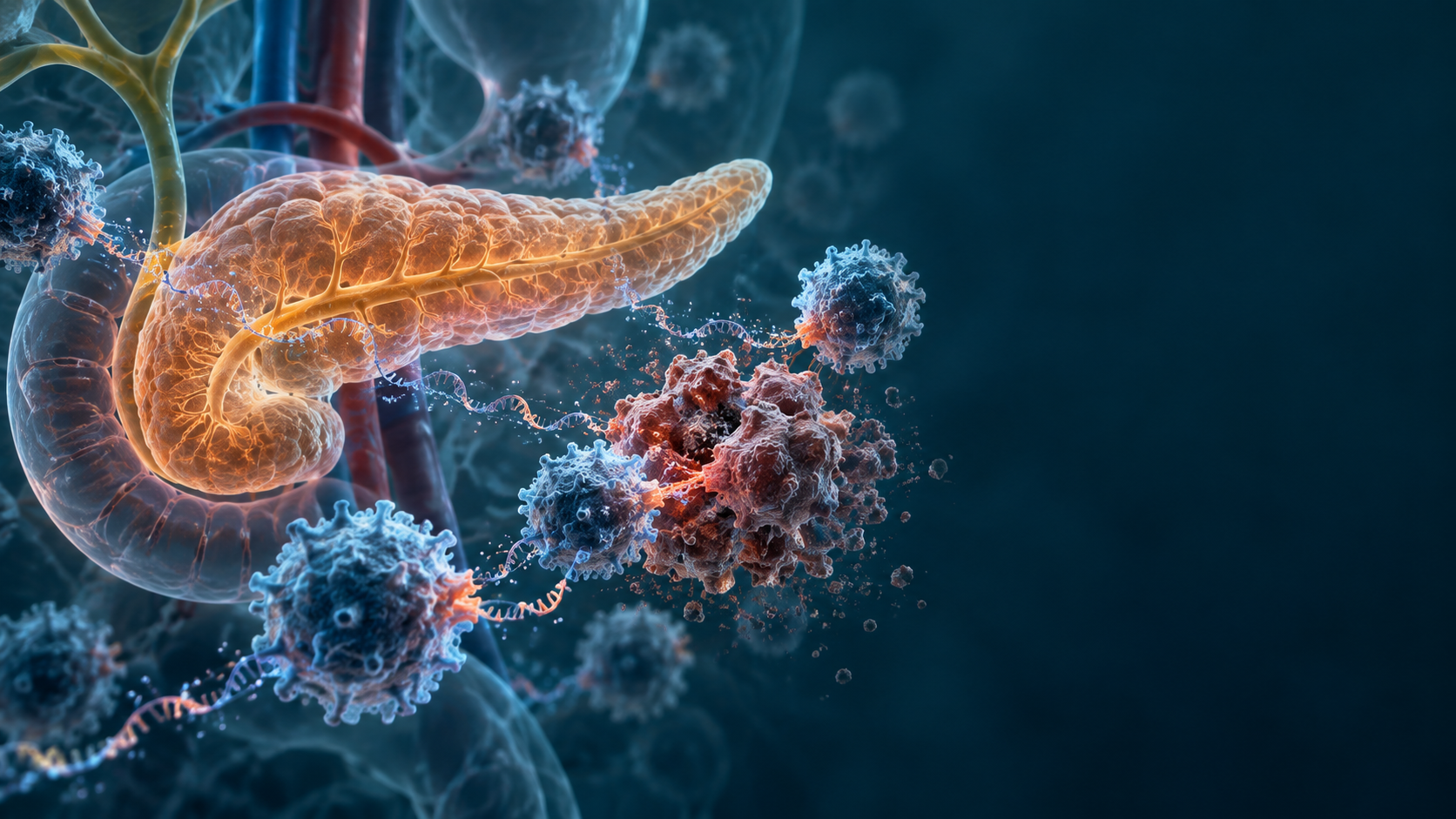
Pancreatic cancer detection
Symptoms, jaundice, new diabetes, genetics, high-risk surveillance, CA19-9 limits, CT, MRI/MRCP, EUS biopsy and cyst controversy.
Kidney cancer detection
Blood in urine, incidental renal masses, ultrasound, CT renal mass protocol, MRI, biopsy, Bosniak cysts and hereditary risk.
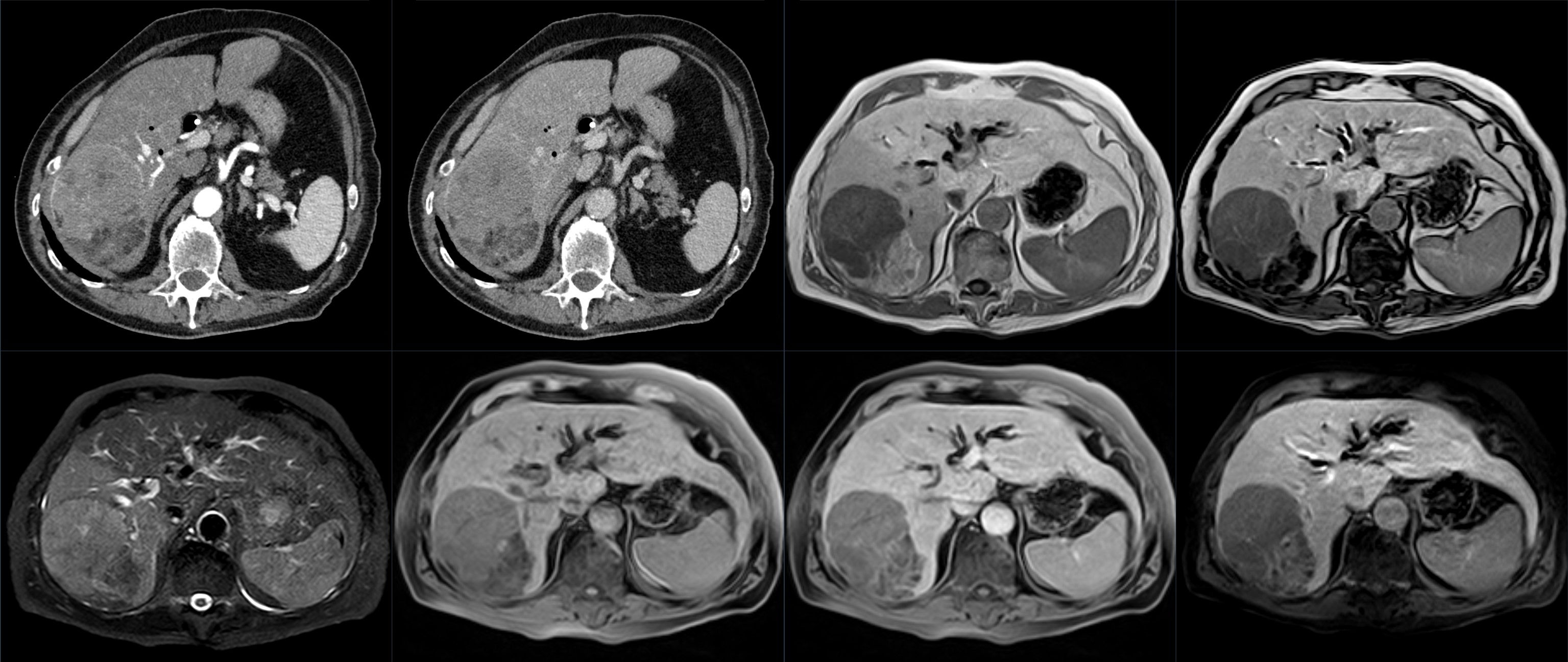
Liver cancer detection
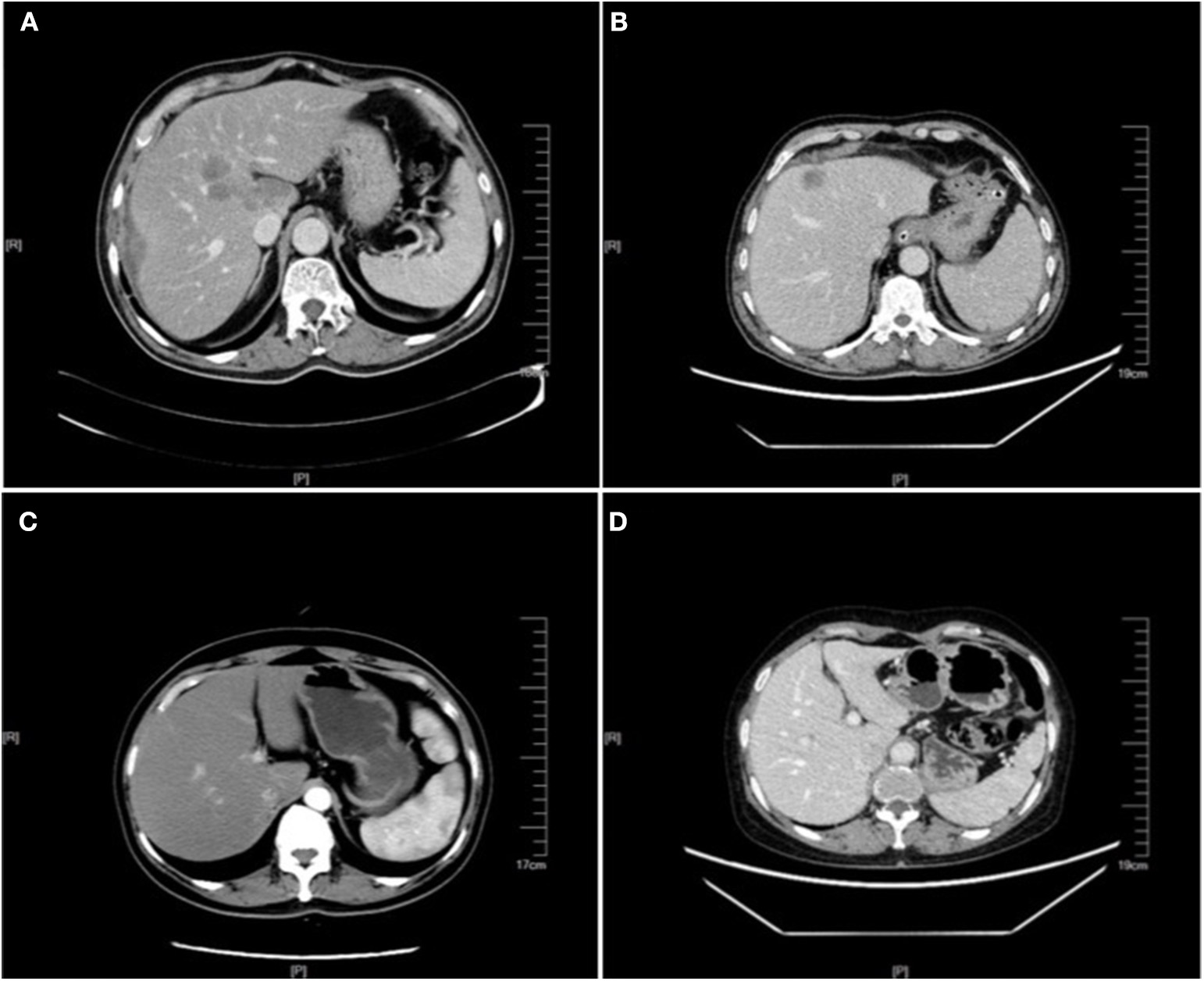
Cirrhosis surveillance, hepatitis B and C risk, ultrasound, AFP, liver-protocol CT/MRI, biopsy and cholangiocarcinoma overlap.
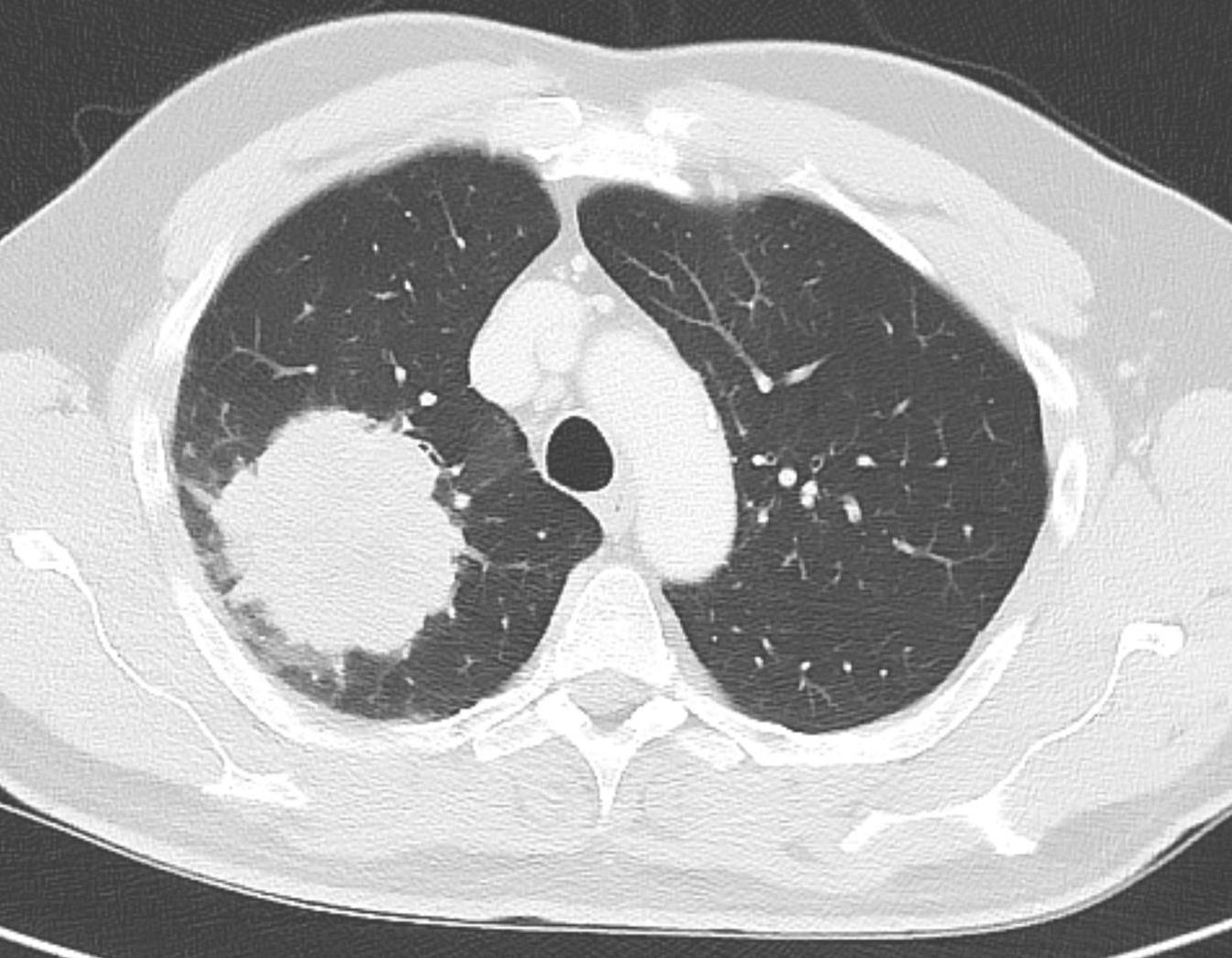
Lung cancer detection
Low-dose CT, smoking risk, pulmonary nodules, PET-CT, bronchoscopy, EBUS, CT-guided biopsy and sputum/blood test caveats.
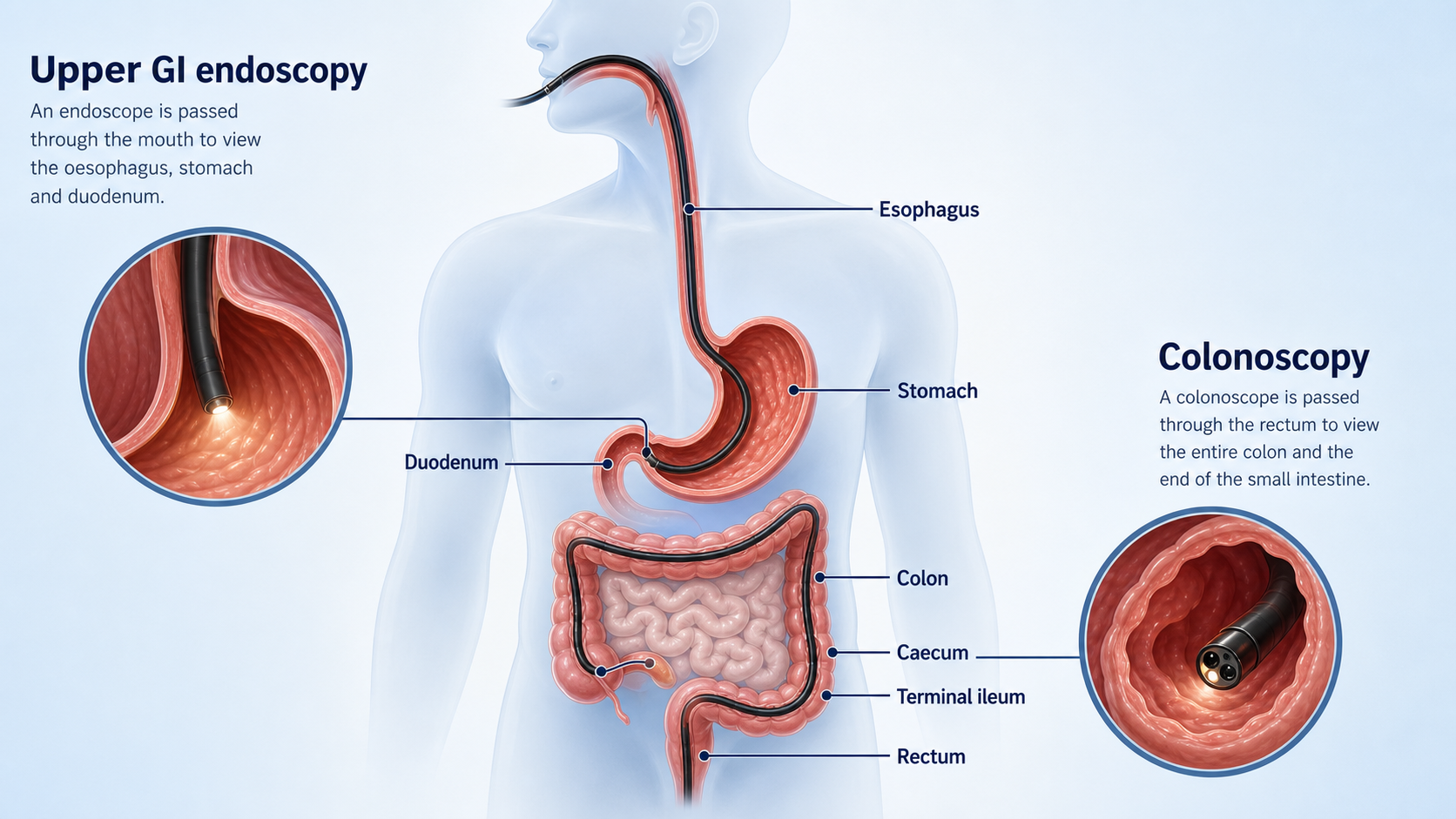
Stomach cancer detection
Alarm symptoms, H. pylori, endoscopy, biopsy, intestinal metaplasia, CDH1 hereditary risk, CT, EUS and screening countries.
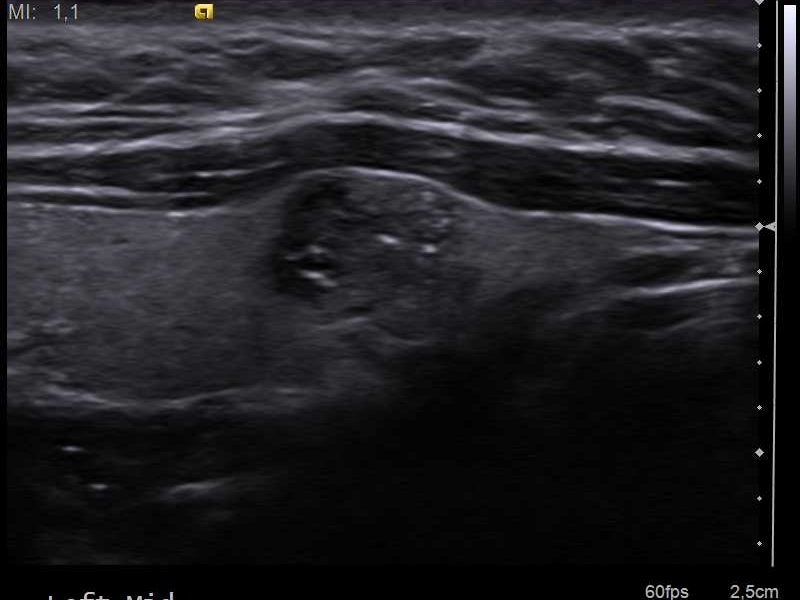
Thyroid cancer detection
Neck lumps, ultrasound risk patterns, FNA cytology, molecular tests, medullary markers, MEN2 genetics and overdiagnosis.
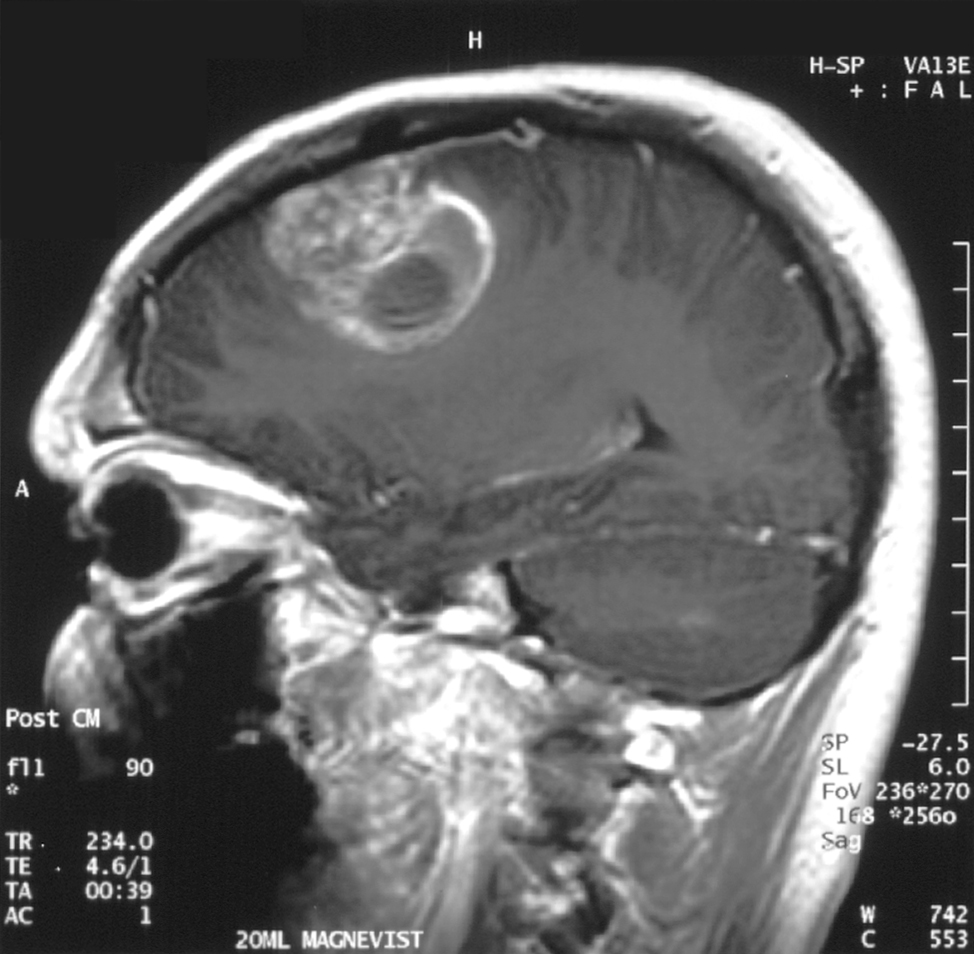
Brain cancer detection
Seizures, headaches with red flags, MRI, CT emergencies, biopsy, resection histology, glioma molecular pathology and liquid biopsy limits.
How to judge a detection test
A good cancer test is not simply one that finds more abnormalities.
The crucial question is whether testing improves outcomes enough to justify false positives, overdiagnosis, cost, procedures and anxiety. That standard is stricter for population screening than for an individual with symptoms or high inherited risk.
Analytic validity
Does the lab measure what it claims reliably?
Clinical accuracy
Sensitivity, specificity, positive predictive value and false negatives in the intended population.
Stage shift
Does testing reduce stage III/IV cancers, not just create more early labels?
Mortality
Does it reduce cancer-specific deaths, and ideally all-cause mortality?
Net value
Does the benefit justify follow-up scans, biopsies, treatment, anxiety and health-system load?
New tests, old problem
Multi-cancer blood tests and full-body MRI may become important, but broad population use needs harder evidence.
The promise is obvious: one blood draw or scan might reveal a hidden pancreatic, ovarian, brain, kidney, sarcoma or other hard-to-detect cancer before symptoms. The risk is equally obvious: false positives, incidental findings, extra investigations, delayed reassurance, overdiagnosis and expensive anxiety.
Multi-cancer early detection blood tests
These tests look for tumor-derived DNA methylation, fragments, mutations or other signals in blood. They may be most attractive for cancers with no good screening test, but average-risk population screening needs proof that it changes meaningful outcomes.
- High specificity can still produce many false positives when the pre-test cancer probability is low.
- A positive result may lead to CT, PET, MRI, endoscopy, biopsy or months of surveillance.
- A negative result should not replace proven screening such as FIT/colonoscopy, mammography, cervical HPV testing or lung CT in eligible smokers.
- Insurance coverage is variable, and self-paid testing can shift costs downstream to the patient and health system.
Whole-body MRI
Whole-body MRI avoids ionizing radiation and can reveal silent tumors, inflammatory disease, marrow lesions or aneurysms. It can also find tiny lesions that are common, harmless or impossible to classify without repeated scans.
- Best established in specific high-risk syndromes or defined clinical questions, not universal annual screening.
- Incidental aneurysms may be a blessing if follow-up prevents rupture, or a long anxiety loop if too small for repair.
- For aneurysm detail, see DetectAneurysm.com and IntracranialAneurysm.com.
- The Kim Kardashian aneurysm story is a public example of this dilemma: better to know and control blood pressure/smoking, or worse to carry the worry?
The sensible middle position
These technologies are not a scam merely because they are early, and they are not a public-health answer merely because they are exciting. Individuals may choose them after understanding the uncertainty. Governments and insurers need stronger evidence before broad introduction: fewer late cancers, fewer deaths, acceptable false positives, clear diagnostic pathways and affordable downstream care.
What still works
Site-specific screening remains the backbone.
The next pages should make the distinction clear: screening is for people without symptoms; diagnosis is for a sign, symptom, abnormal test or high-risk history.
| Cancer | Useful detection routes | Key trap |
|---|---|---|
| Colon and rectal | FIT/FOBT, stool DNA-FIT, colonoscopy, polyp histology, CT colonography in selected people. | A negative stool test does not explain symptoms; a poor prep colonoscopy may need early repeat. |
| Breast | Mammography, tomosynthesis, ultrasound, MRI in high-risk patients, core needle biopsy, excision and histology. | Dense breasts and indeterminate imaging can create both missed cancers and false positives. |
| Prostate | PSA, repeat PSA, PSA density, MRI, selective DRE, transperineal biopsy, histology and genomic tests in selected cases. | Finding low-risk cancer is not the same as needing aggressive treatment. |
| Lung | Low-dose CT for eligible smokers, CT follow-up, bronchoscopy/EBUS, sputum or blood tests mainly investigational. | Small nodules are common; the danger is both missed early disease and over-investigation. |
| Kidney | Hematuria workup, ultrasound, CT renal mass protocol, MRI, selective biopsy and inherited-risk surveillance. | Small renal masses and cysts are common; not every finding needs aggressive treatment. |
| Liver | Cirrhosis and hepatitis-risk surveillance with ultrasound/AFP, then multiphase CT or MRI. | Average-risk screening is not the same as high-risk HCC surveillance. |
| Stomach | Alarm-symptom endoscopy, biopsy, H. pylori testing, premalignant surveillance and high-incidence country programs. | Indigestion is common, but anemia, weight loss, vomiting or black stools should not be dismissed. |
| Thyroid | Neck exam, ultrasound risk scoring, FNA cytology, molecular tests and calcitonin/RET where relevant. | Screening can find many harmless tiny cancers and cause overtreatment. |
| Brain | MRI with contrast, urgent CT for emergencies, spectroscopy/perfusion in selected cases, biopsy or resection histology. | There is no general screening test; symptoms and high-risk syndromes drive imaging. |
| Cervical | HPV testing, Pap cytology, colposcopy, biopsy, vaccination history and follow-up of abnormalities. | HPV positivity is common and often clears; high-grade lesions need proper tracking. |
| Ovarian and pancreatic | High-risk genetics, symptom-led imaging, CA-125 or ultrasound in context, MRI/EUS for pancreatic risk programs. | Average-risk screening remains hard because false positives and late detection dominate. |
Cluster roadmap
Built as a hub for the other cancer detection pages.
Live pages link strongly. Planned pages are named here without pretending they are done. As each guide is created, it can inherit the same evidence structure and add disease-specific reviews and clinical trial links.
Colon cancer
Live: FIT, colonoscopy, polyps, biopsy, staging.Prostate cancer
Live: PSA, MRI, biopsy, active surveillance.Breast cancer
Live: mammography, ultrasound, MRI, biopsy, genetics.Lung cancer
Live: low-dose CT, nodules, sputum/saliva research, bronchoscopy.Ovarian cancer
Live: symptoms, CA-125, ultrasound, genetics, high-risk screening controversy.Pancreatic cancer
Live: high-risk MRI/EUS surveillance, symptoms, CT, CA19-9 limits and biopsy.Bladder cancer and kidney cancer
Live: hematuria, cystoscopy, urine cytology, CT urogram, ultrasound, CT/MRI, biopsy and genetics.Liver cancer and stomach cancer
Live: ultrasound/AFP, endoscopy, H. pylori, biopsy and staging.Thyroid cancer
Live: ultrasound, FNA cytology, molecular tests and overdiagnosis.Brain cancer
Live: MRI, urgent CT, biopsy, histology and molecular pathology.Oral/tongue cancer, throat cancer and anal cancer
Live: HPV, examination, endoscopy, biopsy, cytology and high-resolution anoscopy where useful.Melanoma and skin cancer
Live: skin checks, dermoscopy, biopsy, sentinel nodes, SCC/BCC and AI/app caveats.Lymphoma, leukemia, myeloma and myelofibrosis
Live: CBC, blood film, lymph node biopsy, flow cytometry, marrow biopsy, PET-CT and genetics.Testicular cancer
Live: self-awareness, ultrasound, AFP, hCG, LDH and orchiectomy histology.Cervical cancer and uterine cancer
Live: HPV/Pap/colposcopy and postmenopausal bleeding with ultrasound and endometrial biopsy.Bone cancer/metastases, sarcoma and rhabdomyosarcoma
Live: x-ray, MRI, PET/bone scan, planned biopsy and the danger of unplanned lump excision.Neuroendocrine tumors, pheochromocytoma/paraganglioma, pituitary adenoma and meningioma
Live: functioning vs silent tumors, hormones, metanephrines, MRI, DOTATATE PET and why benign can still be dangerous.Esophageal cancer, gallbladder cancer and mesothelioma
Live: dysphagia/endoscopy, jaundice/ultrasound/MRCP, asbestos/pleural effusion/CT and biopsy.Genes and inherited risk
BRCA, Lynch, FAP, polyposis, cascade testing and counseling.Non-cancer detection
Alzheimer's, aneurysm, heart disease, stroke, sepsis and other planned guides.Source spine
Every disease page should carry a few strong sources, not a swamp of links.
This hub uses broad sources now. Each individual cancer guide should add one disease overview review, one screening review or guideline, and clinical trials links for detection research.
USPSTF screening recommendationsUS preventive screening recommendations for cancer and other conditions.
Lancet MCED cautionary commentaryRecent argument for careful trials before broad multi-cancer blood-test introduction.
NHS-Galleri performance resultsRandomized population trial evidence for a multi-cancer early detection test.
FDA Shield approvalBlood-based colorectal cancer screening approval and device documentation.
NCI on ShieldPlain-language discussion of CRC blood-test sensitivity, specificity and precancer detection.
ClinicalTrials.gov detection trialsSearchable trial registry for cancer screening and diagnostic-test research.