are the first-line biochemical test.
Symptoms, risk, screening and diagnostic confirmation
Detect Pheochromocytoma and Paraganglioma is about choosing the right test for the right risk.
A pheochromocytoma/paraganglioma detection guide covering episodic hypertension, palpitations, sweating, headaches, plasma/urine metanephrines, CT/MRI, functional imaging and genetics.
pheochromocytoma starts in adrenal medulla.
can occur outside adrenal glands.
SDHx, VHL, RET, NF1 and others matter.
Brief outline
What pheochromocytoma and paraganglioma means.
Pheochromocytomas and paragangliomas are catecholamine-producing neuroendocrine tumors. Some are hereditary, and some are malignant by behavior rather than microscope appearance.
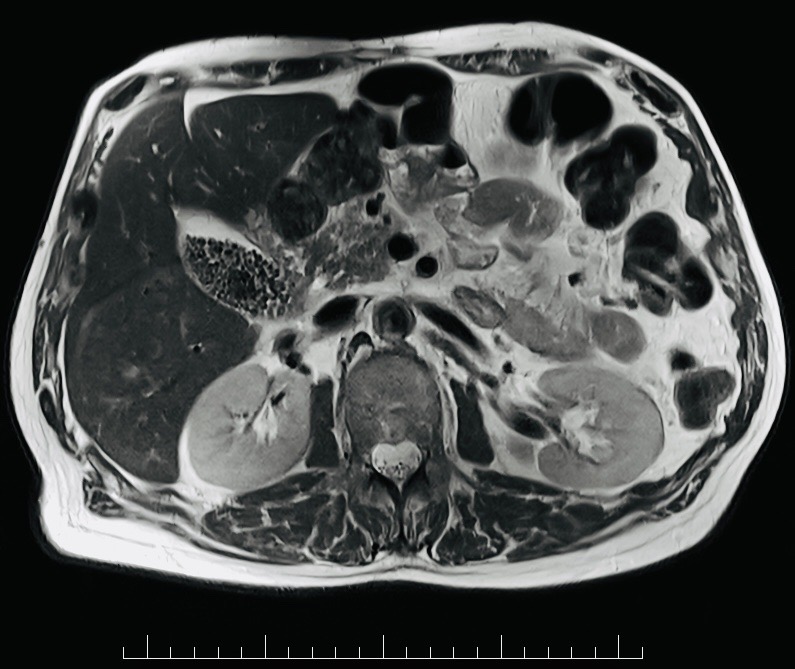
Detection frame
Screening is for people without symptoms. Diagnosis is for symptoms, abnormal examination, family history, imaging findings or abnormal labs. The same test can be sensible in one setting and misleading in another.
Do not ignore
Symptoms and signs not to ignore.
Risk and genetics
Demographics, risks and genetics.
Screening
Who should actually be screened?
No average-risk screening exists. Known hereditary syndromes require biochemical and imaging surveillance.
Plasma free or urine fractionated metanephrines
Most useful biochemical screening tests.
False positives
Stress, drugs and sampling conditions can mislead.
CT/MRI adrenal/neck/chest/abdomen
Finds adrenal or extra-adrenal tumors.
MIBG, FDG PET, DOTATATE PET
Chosen by genotype and disease pattern.
Germline testing
Often recommended because inherited disease is common.
Alpha blockade before surgery
Detection changes perioperative safety.
Images, labs and tissue
Useful tests and what they can miss.
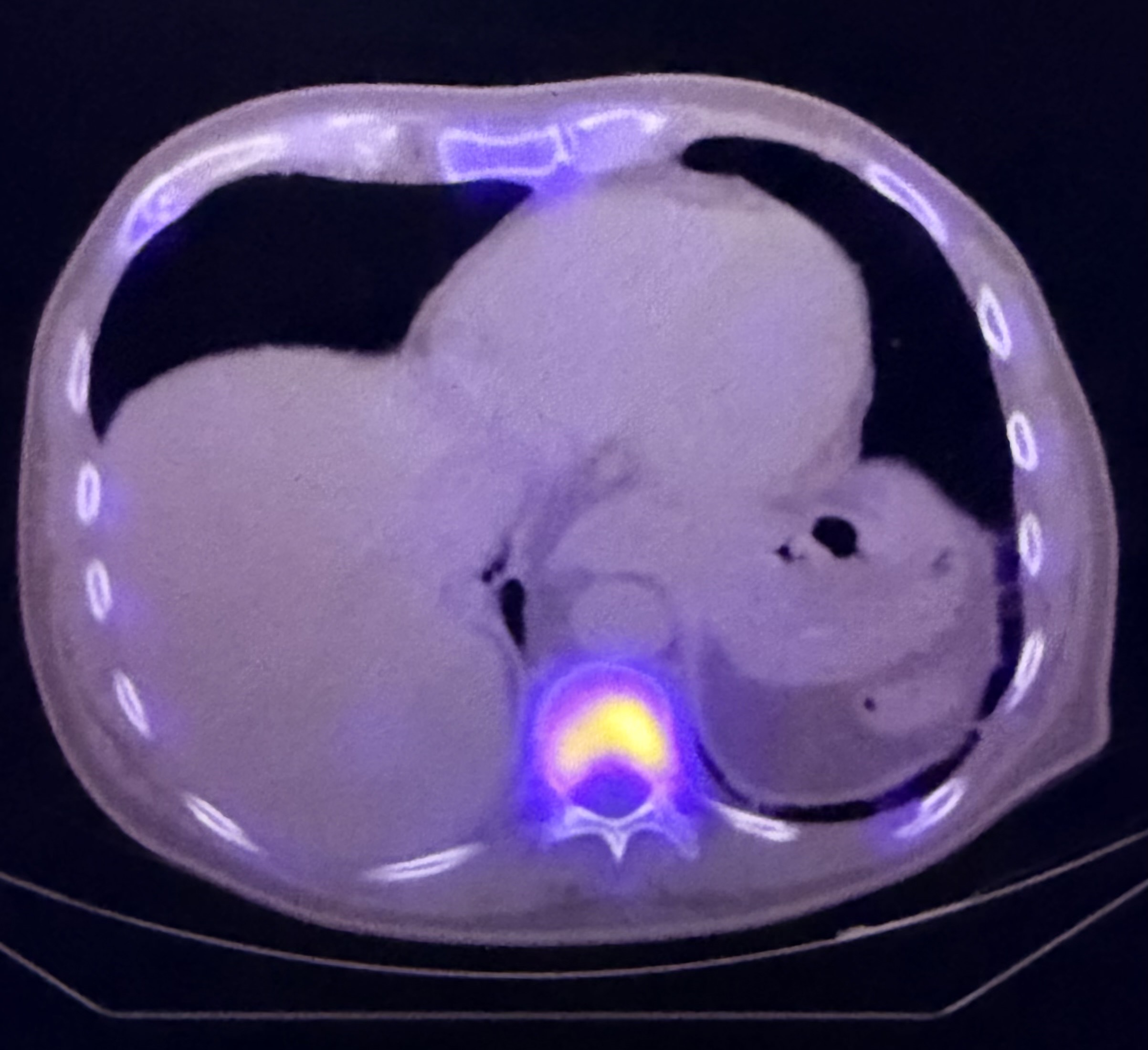
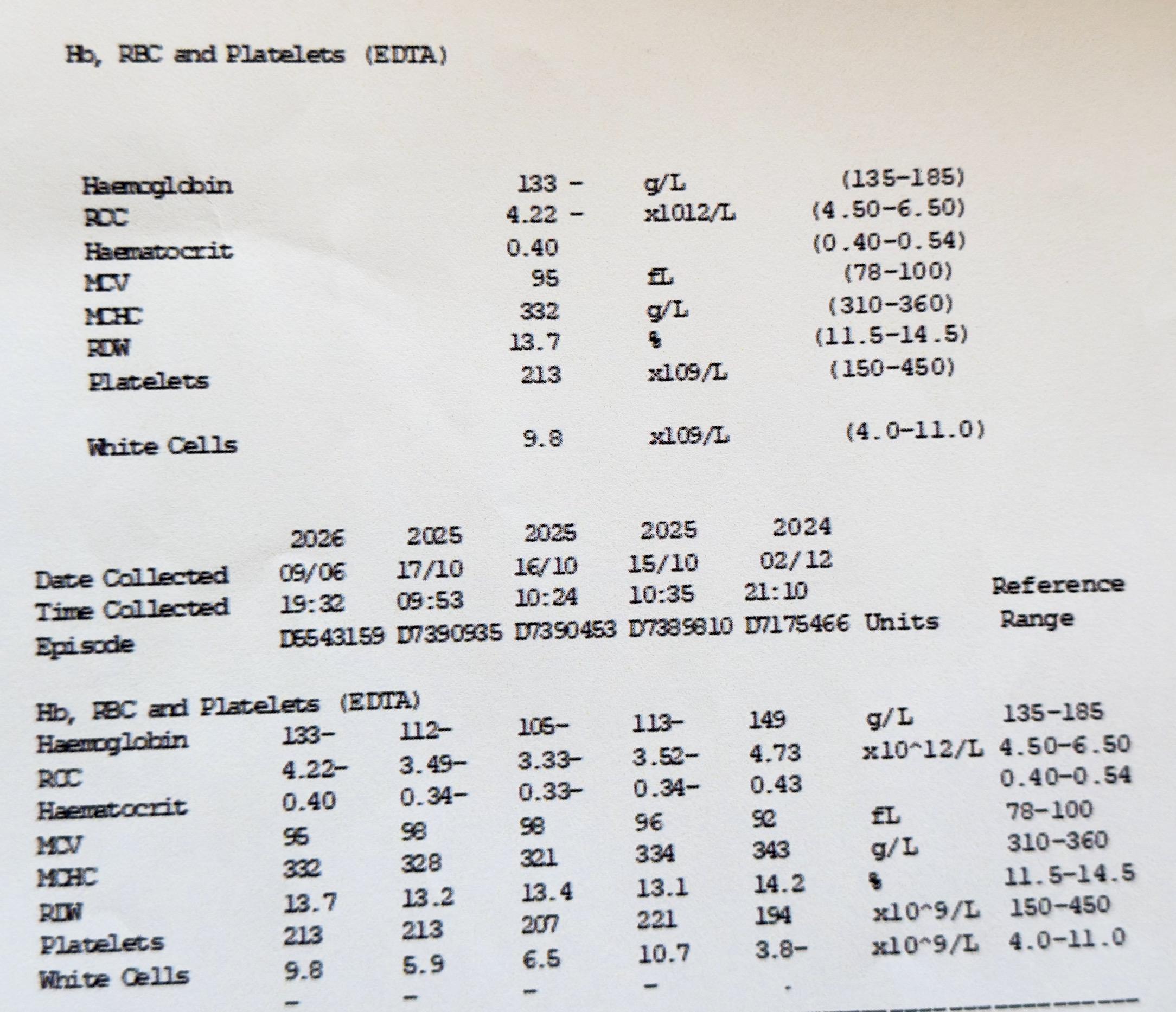
Detection usually needs a chain: suspicion, imaging or lab triage, tissue or cytology when needed, then pathology and molecular testing where it changes management.
Pros, cons and controversy
Benefits, harms and the false-positive problem.
The harm is missing a dangerous but treatable cause of hypertensive crises. The counter-risk is chasing mildly abnormal metanephrines without proper sampling context.
Sources and trials