routine population ultrasound screening is recommended.
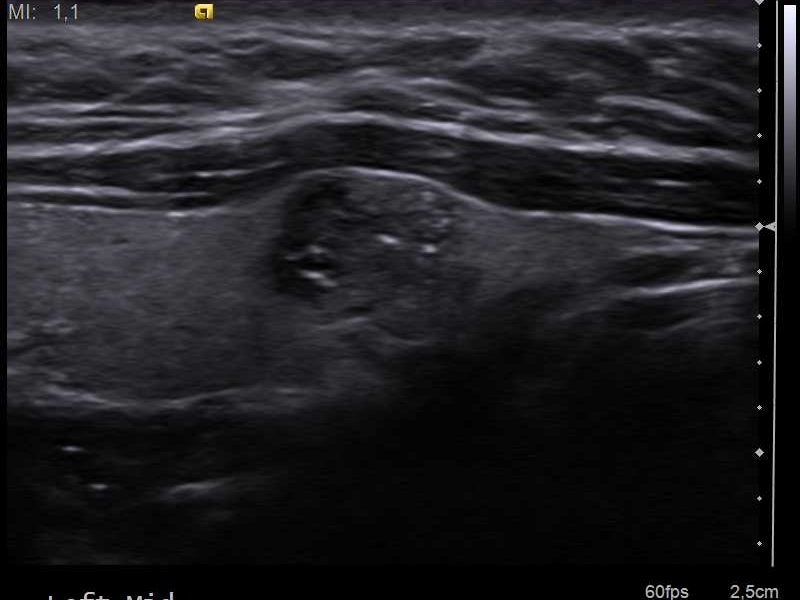
Neck lump, ultrasound and fine needle aspiration
Thyroid cancer is the classic warning about overdiagnosis from easy ultrasound.
Most thyroid nodules are benign and many small thyroid cancers grow slowly. The art is finding dangerous disease without chasing every tiny incidental nodule.
risk-stratifies nodules and lymph nodes.
fine needle aspiration samples nodules that meet criteria.
population ultrasound can make diagnoses soar without changing deaths.
Brief outline
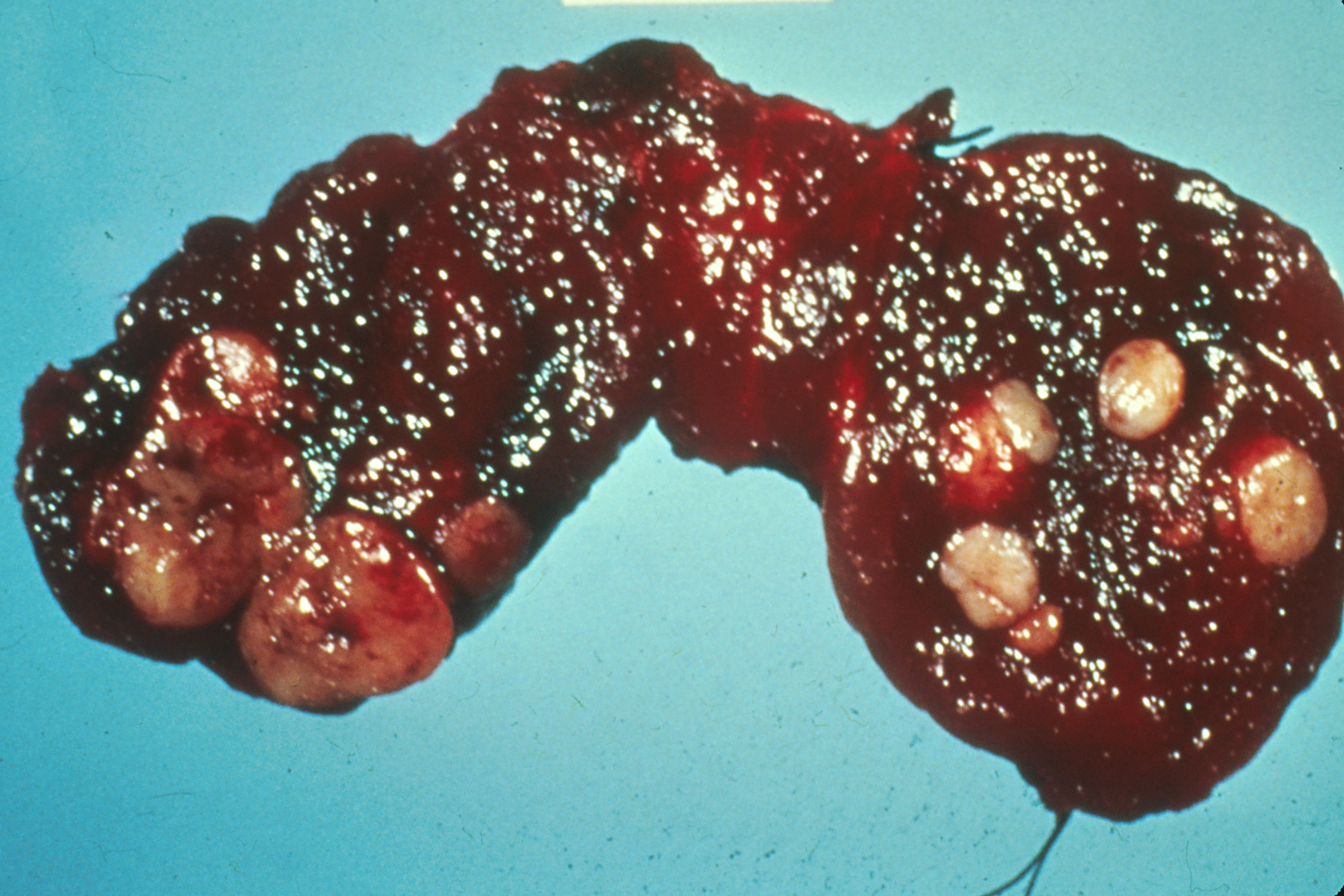
Most thyroid cancers are papillary thyroid cancers.
Papillary and follicular thyroid cancers are differentiated cancers. Medullary thyroid cancer arises from C cells and can be hereditary. Anaplastic thyroid cancer is rare and aggressive.
Detection frame
Detection begins with a palpable nodule, suspicious ultrasound, enlarged lymph node or high-risk history. It should not become ultrasound fishing in average-risk people.
Do not ignore
Most nodules are benign, but some signs matter.
Risk and genetics
Radiation and inherited syndromes change risk.
Screening
Do not screen average-risk adults with ultrasound.
Routine thyroid ultrasound screening creates many diagnoses of tiny papillary cancers without clear mortality benefit. High-risk families and radiation-exposed patients are different.
Neck ultrasound
Risk-stratifies nodules and cervical lymph nodes.
TSH
Low TSH may lead to radionuclide scan for a hot nodule, which is rarely malignant.
Fine needle aspiration
Samples nodules meeting size/risk criteria.
Bethesda system
Classifies benign, suspicious, malignant and indeterminate results.
Calcitonin/RET
Important for suspected medullary thyroid cancer or MEN2 families.
Whole-body MRI
Often finds incidental thyroid nodules that then need ultrasound triage.
Images, labs and tissue
Ultrasound decides whether FNA is needed.
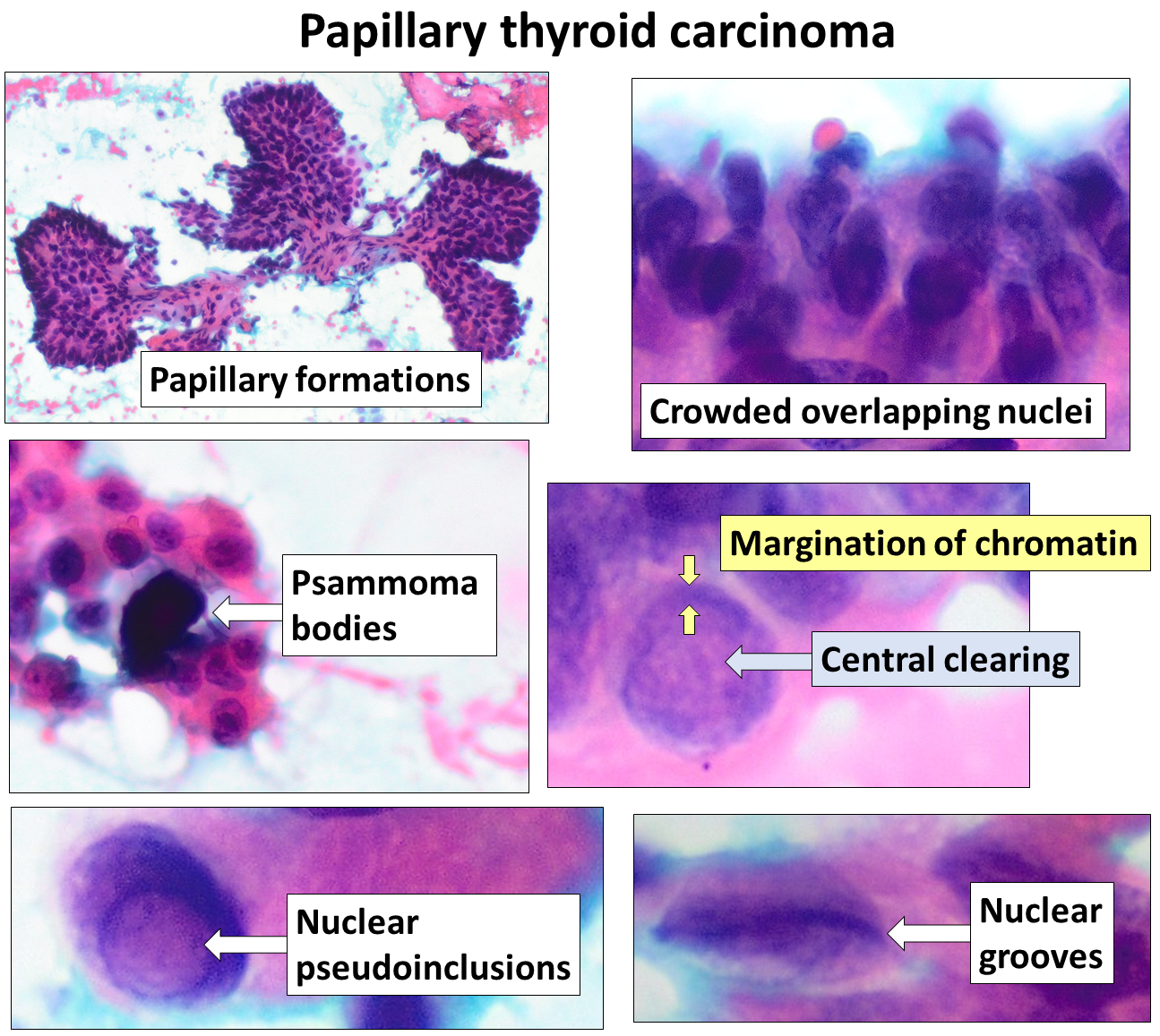
Ultrasound evaluates size, composition, echogenicity, margins, calcifications and lymph nodes. FNA cytology is reported using Bethesda categories; molecular tests help selected indeterminate nodules.
Pros, cons and controversy
Thyroid ultrasound can be both helpful and harmful.
South Korea's thyroid ultrasound experience is often cited as a cautionary example of overdiagnosis: diagnoses rose dramatically, while mortality did not fall in the same way. Ultrasound is still the right test for a real nodule, suspicious lymph node or high-risk history; the problem is using it as broad average-risk population screening. The goal is to find clinically important cancer, not label every tiny papillary microcarcinoma.
Sources and trials