persistent voice change needs larynx exam.
Symptoms, risk, screening and diagnostic confirmation
Detect Throat Cancer is about choosing the right test for the right risk.
A throat cancer detection guide covering larynx, tonsil, base of tongue, HPV, hoarseness, swallowing symptoms, nasendoscopy and biopsy.
drives many oropharyngeal cancers.
nasendoscopy visualizes mucosa.
confirms diagnosis.
Brief outline
What throat cancer means.
Throat cancers include laryngeal, pharyngeal and HPV-related oropharyngeal cancers. Site matters because symptoms and tests differ.
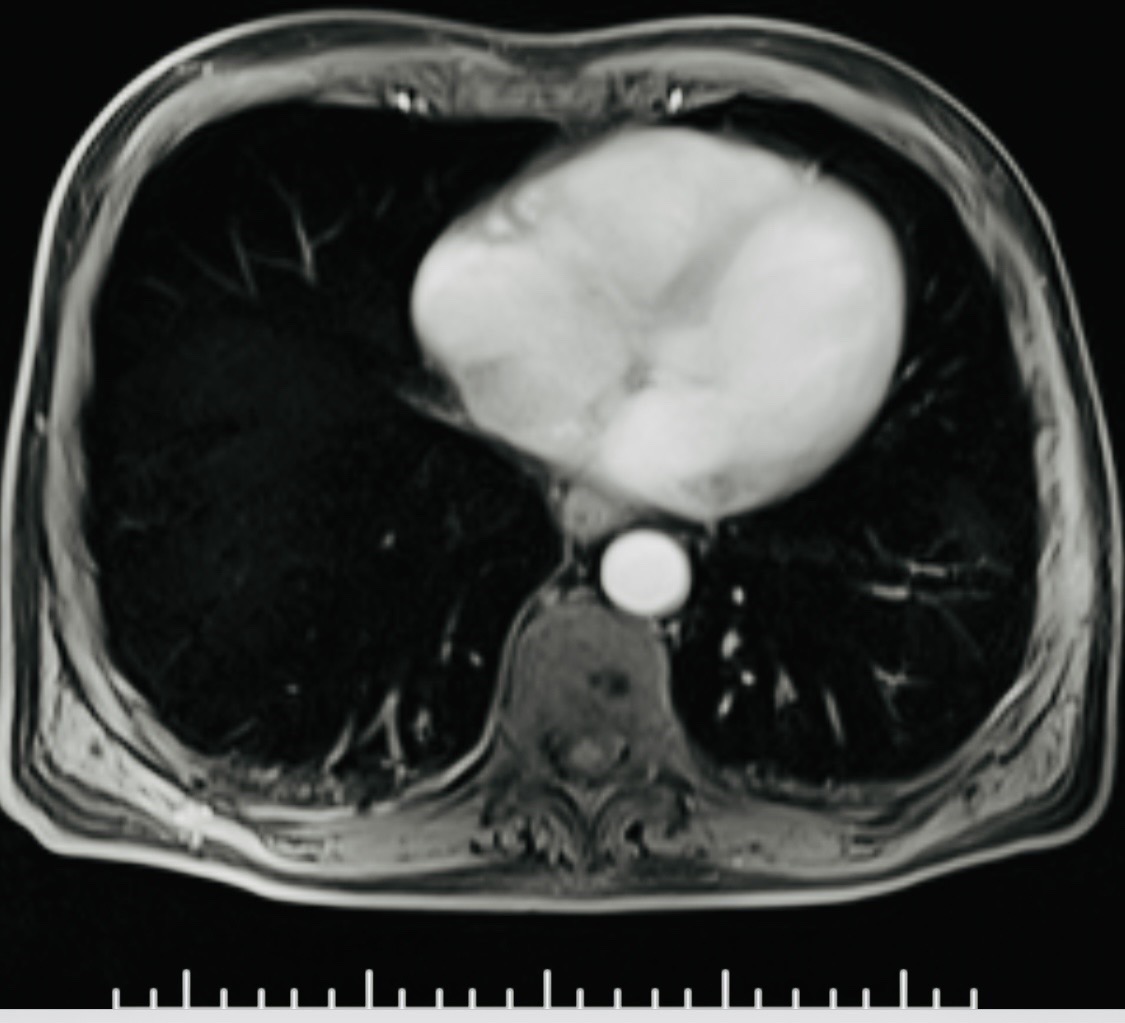
Detection frame
Screening is for people without symptoms. Diagnosis is for symptoms, abnormal examination, family history, imaging findings or abnormal labs. The same test can be sensible in one setting and misleading in another.
Do not ignore
Symptoms and signs not to ignore.
Risk and genetics
Demographics, risks and genetics.
Screening
Who should actually be screened?
There is no general population screening test. Symptoms, HPV context and examination drive detection.
Flexible nasendoscopy
Directly examines larynx/pharynx.
Biopsy under local or general anesthetic
Confirms cancer and p16/HPV markers when relevant.
CT/MRI neck
Maps primary tumor and nodes.
PET-CT
Used in selected staging and unknown primary.
Mouth and neck exam
Important first step.
Sputum/saliva tests
Research interest but not replacements for exam and biopsy.
Images, labs and tissue
Useful tests and what they can miss.
Detection usually needs a chain: suspicion, imaging or lab triage, tissue or cytology when needed, then pathology and molecular testing where it changes management.

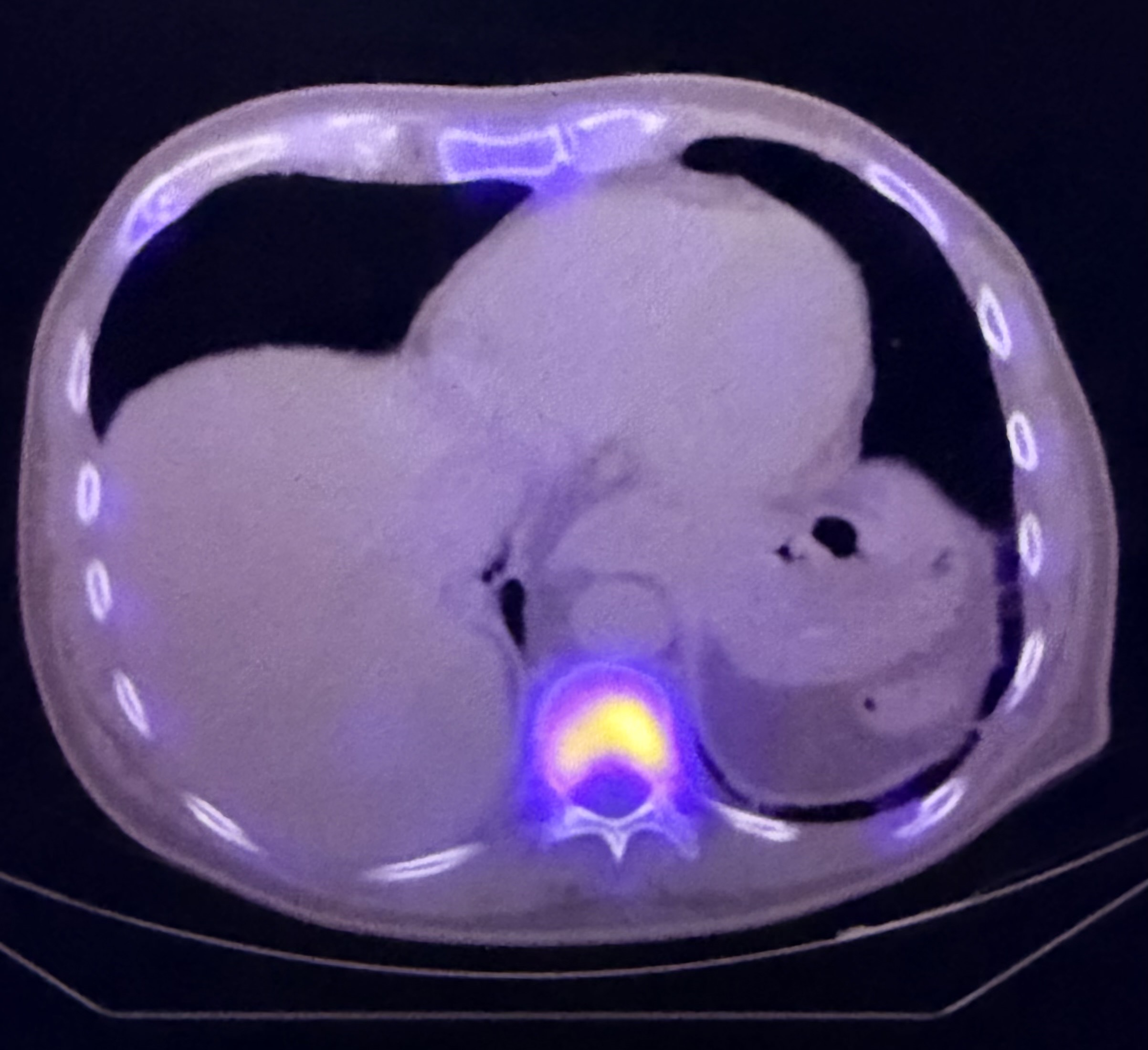
Pros, cons and controversy
Benefits, harms and the false-positive problem.
HPV-related cancers may appear in non-smokers and present as a neck node. A reassuring throat spray or antibiotic response should not override persistent symptoms.
Sources and trials