postmenopausal bleeding is cancer until evaluated.
Symptoms, risk, screening and diagnostic confirmation
Detect Uterine Cancer is about choosing the right test for the right risk.
A uterine/endometrial cancer detection guide covering postmenopausal bleeding, transvaginal ultrasound, endometrial biopsy, hysteroscopy, Lynch syndrome and obesity risk.
endometrial tissue confirms diagnosis.
measures endometrial thickness in context.
raises endometrial and ovarian risk.
Brief outline
What uterine cancer means.
Most uterine cancers are endometrial cancers, often presenting early with abnormal bleeding. Uterine sarcoma is rarer and behaves differently.
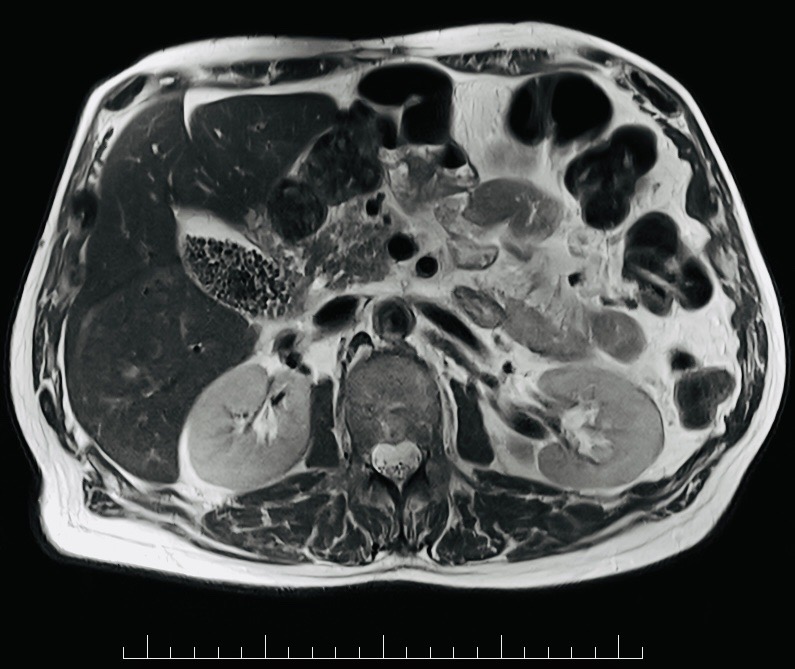
Detection frame
Screening is for people without symptoms. Diagnosis is for symptoms, abnormal examination, family history, imaging findings or abnormal labs. The same test can be sensible in one setting and misleading in another.
Do not ignore
Symptoms and signs not to ignore.
Risk and genetics
Demographics, risks and genetics.
Screening
Who should actually be screened?
No average-risk screening program exists. Lynch syndrome may require surveillance or prevention discussions.
Bleeding history
The key trigger for investigation.
Transvaginal ultrasound
Assesses endometrial thickness and uterine/ovarian findings.
Endometrial biopsy
Office biopsy often confirms diagnosis.
Hysteroscopy/D&C
Used when biopsy is inadequate or focal lesion suspected.
MMR/Lynch testing
Important for endometrial cancers and families.
Normal ultrasound
Persistent bleeding can still require biopsy.
Images, labs and tissue
Useful tests and what they can miss.
Detection usually needs a chain: suspicion, imaging or lab triage, tissue or cytology when needed, then pathology and molecular testing where it changes management.

Pros, cons and controversy
Benefits, harms and the false-positive problem.
The benefit is high because bleeding often appears early. The harm is missing bleeding because it is dismissed as hormones, fibroids or anticoagulants.
Sources and trials