persistent, enlarging or firm nodes need examination.
Symptoms, risk, screening and diagnostic confirmation
Detect Lymphoma is about choosing the right test for the right risk.
A lymphoma guide covering persistent lymph nodes, B symptoms, CBC, LDH, PET-CT, excision biopsy, flow cytometry, Hodgkin and non-Hodgkin lymphoma.
fever, sweats and weight loss are classic warnings.
excision is often better than a tiny needle sample.
helps stage many lymphomas.
Brief outline
What lymphoma means.
Lymphoma is a group of lymphocyte cancers. Hodgkin lymphoma, aggressive non-Hodgkin lymphoma and indolent lymphoma behave very differently, so tissue diagnosis is crucial.
Detection frame
Screening is for people without symptoms. Diagnosis is for symptoms, abnormal examination, family history, imaging findings or abnormal labs. The same test can be sensible in one setting and misleading in another.
Do not ignore
Symptoms and signs not to ignore.
Risk and genetics
Demographics, risks and genetics.
Screening
Who should actually be screened?
There is no routine population screening test for lymphoma. Detection is symptom-led, exam-led, or triggered by imaging or abnormal blood tests.
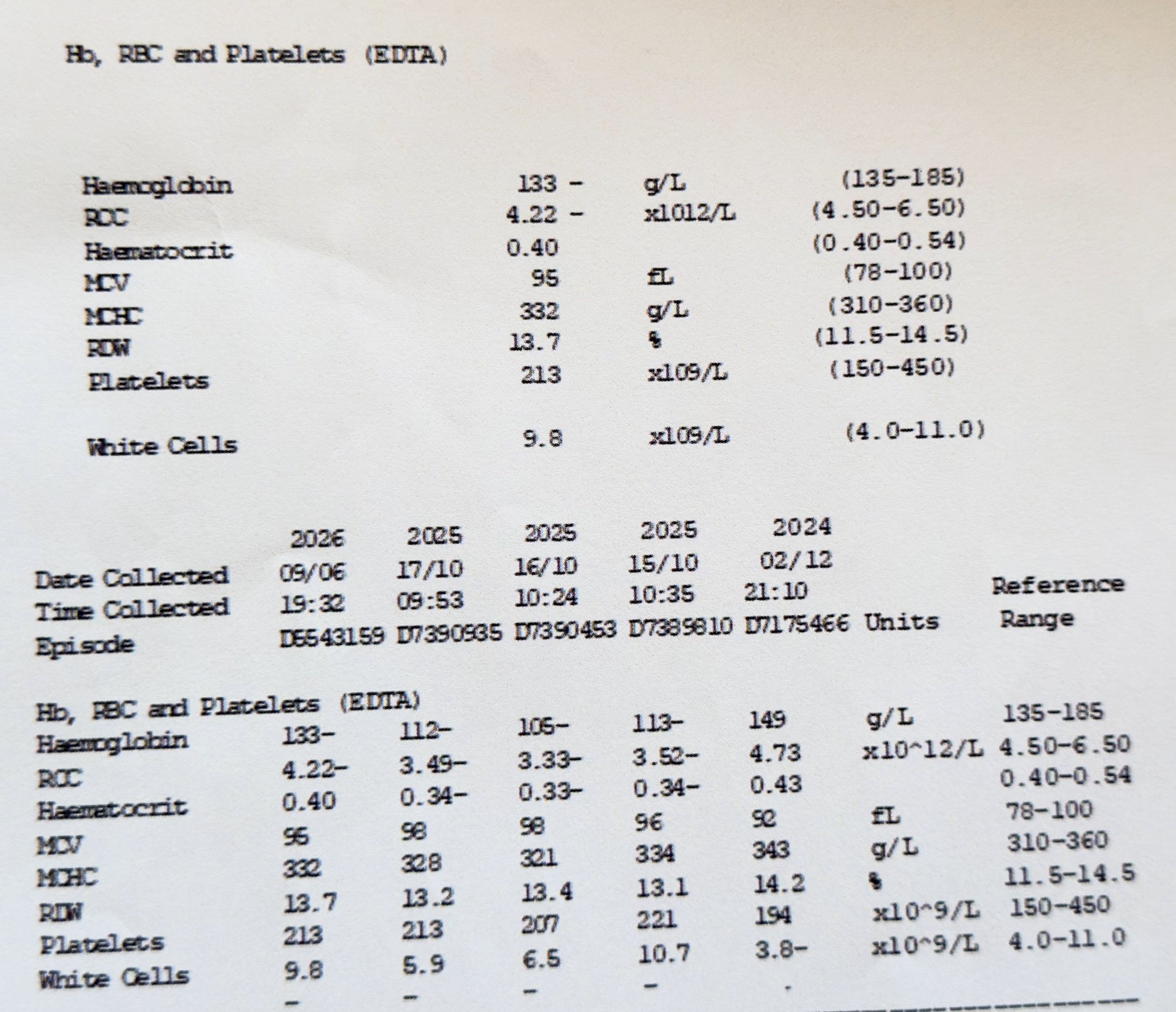
CBC, LDH, ESR/CRP
May be abnormal but cannot rule lymphoma in or out.
Ultrasound, CT or PET-CT
Maps nodes and helps choose the best biopsy target.
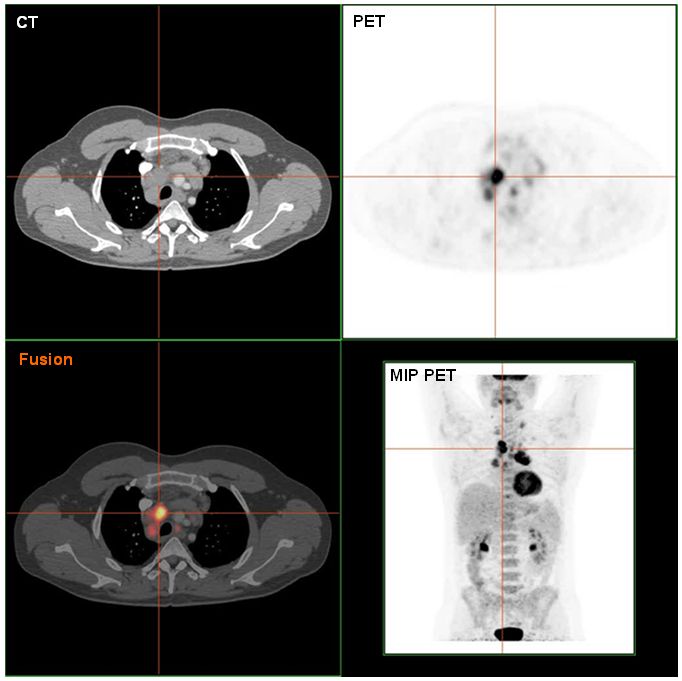
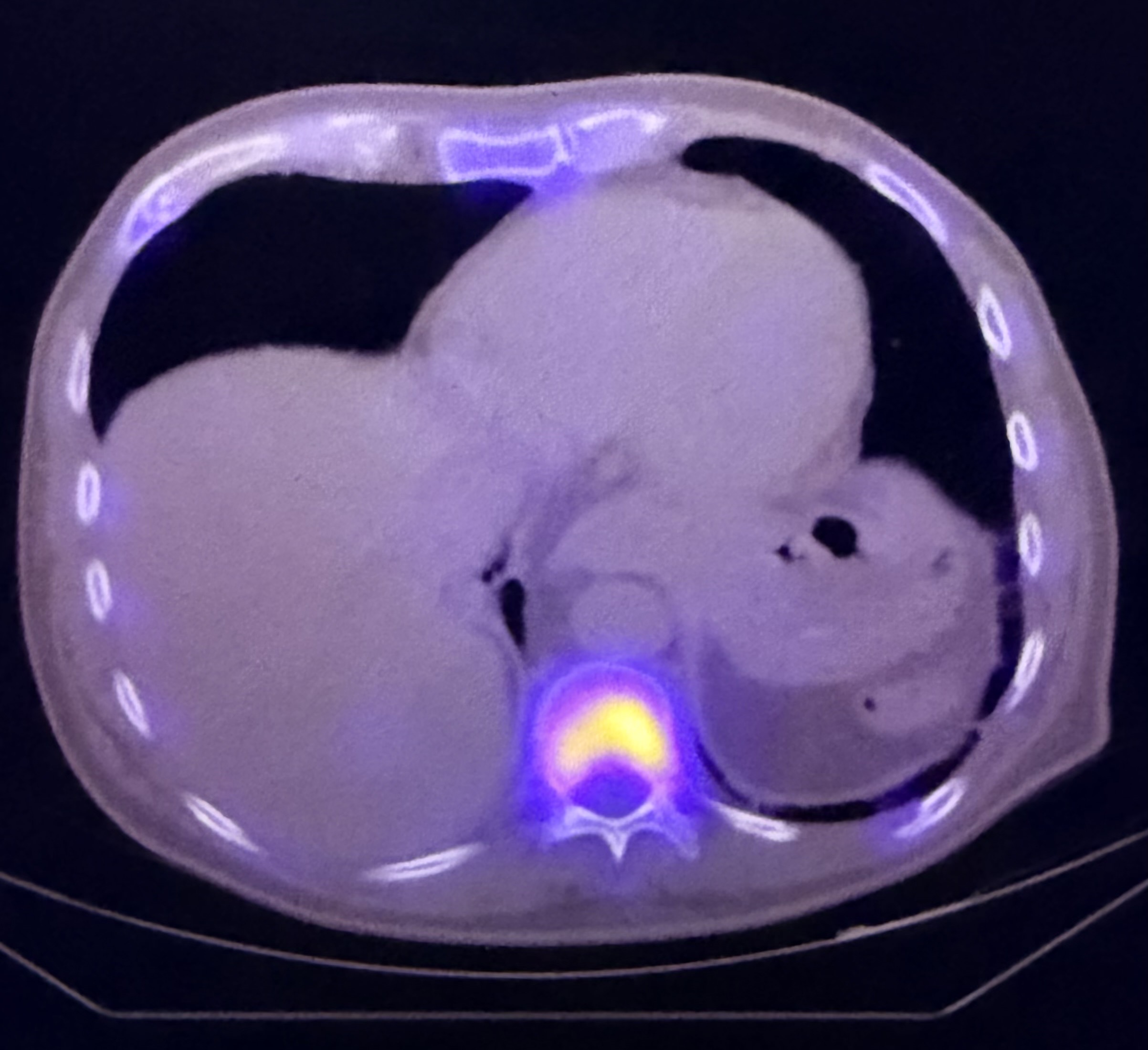
PET-CT
Important for many FDG-avid lymphomas.
Excision lymph node biopsy
Often preferred for a new growing node because it preserves architecture for Hodgkin vs non-Hodgkin subtype diagnosis.
Flow cytometry/IHC/genetics
Defines B/T-cell lineage, markers and rearrangements.
Bone marrow biopsy
Used in selected staging or cytopenias.
Images, labs and tissue
Useful tests and what they can miss.
Detection usually needs a chain: suspicion, imaging or lab triage, tissue or cytology when needed, then pathology and molecular testing where it changes management.
Pros, cons and controversy
Benefits, harms and the false-positive problem.
The trap is repeated antibiotics or reassurance for a persistent enlarging node without a diagnosis. The other trap is over-biopsying tiny reactive nodes without risk features.
Sources and trials