Prostate cancer decisions start with one blood test, but should never end there.
A clinician-level guide to PSA, age, MRI, biopsy, Gleason score, treatment choices, robotic surgery, radiotherapy, hormone therapy, new drugs, side effects, prognosis, costs and the evidence behind each pathway.
Educational, not personal medical advice.
Prostate cancer decisions depend on age, health, family history, ancestry, PSA trend, prostate volume, MRI, biopsy grade group, stage, symptoms and personal values. Use this to prepare for a GP, urologist, radiation oncologist or medical oncologist discussion.
333,830
estimated new US cases in 2026, with 36,320 deaths estimated by ACS/SEER.
>99%
5-year relative survival for localized or regional disease in SEER/ACS data.
38%
5-year relative survival once distant metastases are present.
15 years
ProtecT showed low prostate-cancer mortality after monitoring, surgery or radiotherapy, but more metastases with monitoring.
PSA screening
PSA is imperfect, but it is still the doorway to early curable disease.
PSA is prostate-specific antigen, not cancer-specific antigen. A high result is a signal to repeat, contextualise and risk-stratify, not a reason to jump straight to treatment.
Baseline position: get a PSA around 45-50
For most men with a reasonable life expectancy, a baseline PSA at about 45-50 is a practical, low-burden way to avoid flying blind. AUA/SUO says clinicians may offer a baseline PSA from 45-50; ACS starts the discussion at 50 for average-risk men, 45 for higher-risk men, and 40 for very high-risk men. In real life, that means a man who wants a baseline PSA should be able to ask for one, not be dismissed.
Two decades of understandable but overcorrected concern about overdiagnosis and overtreatment have left many primary-care clinicians cautious or even hostile to PSA screening. That caution made more sense when every raised PSA led quickly to random biopsy and many low-risk cancers were treated. It makes less sense in an era of repeat PSA, PSA density, MRI, transperineal targeted biopsy, biomarkers and active surveillance.
Earlier testing is especially sensible with a father, brother or son affected, Black ancestry, known BRCA/Lynch-family mutation, urinary symptoms, or personal concern. A low baseline can also guide how often to repeat testing; a higher baseline deserves follow-up, repeat PSA and often urology input.
Age-specific PSA thresholds commonly used for referral or closer review
40-49
2.5 ng/mL
50-59
3.5 ng/mL
60-69
4.5 ng/mL
70-79
6.5 ng/mL
Thresholds vary by country and guideline. AUA notes age-varying thresholds and recommends confirming a newly elevated PSA because 25-40% normalize on retesting.
Repeat before panic
Unless there is a very high PSA, abnormal examination, bone pain, weight loss, urinary retention or another red flag, a new PSA elevation is usually repeated after avoiding confounders.
UTI, prostatitis, fever or inflammation
Benign prostate enlargement
Recent ejaculation, catheter, cystoscopy, biopsy or urinary retention
Vigorous cycling, motorbike riding or prolonged perineal pressure
Lab variation; 5-alpha-reductase drugs can halve PSA and need adjustment
A normal-feeling prostate does not rule out dangerous cancer
Digital rectal examination is not generally required as the primary screening test, and many modern pathways are PSA/risk/MRI-led. It can still add context: it may detect some posterior, bulky or irregular cancers, benign enlargement, prostatitis tenderness, or occasionally unrelated rectal disease such as a rectal cancer or large polyp. But it can also miss clinically important prostate cancer. A prostate can feel smooth, be normal-sized and still contain cancer close to the capsule or already extending microscopically beyond it.
That is the practical argument for PSA-led detection plus modern risk tools: PSA, repeat PSA, PSA density, MRI, targeted biopsy and selected biomarkers can find biologically important cancer while cure is still realistic, before metastatic deposits have been seeded and only become visible years later.
The same logic applies to other screening programs: imperfect specificity is not a reason to abandon early detection. The answer is smarter triage and less reflexive overtreatment, not silence until symptoms or metastases appear.
If you understand the benefits and the debated downstream concerns and still want a PSA check, say that clearly. False positives, anxiety and overtreatment are not imaginary, but they are best managed by repeat PSA, MRI, biomarkers, careful biopsy selection and active surveillance, not by refusing informed testing. It is reasonable to ask your GP for PSA testing or for referral to a urologist, particularly from age 50, earlier with family history, Black ancestry, symptoms, or anxiety after an informed discussion.
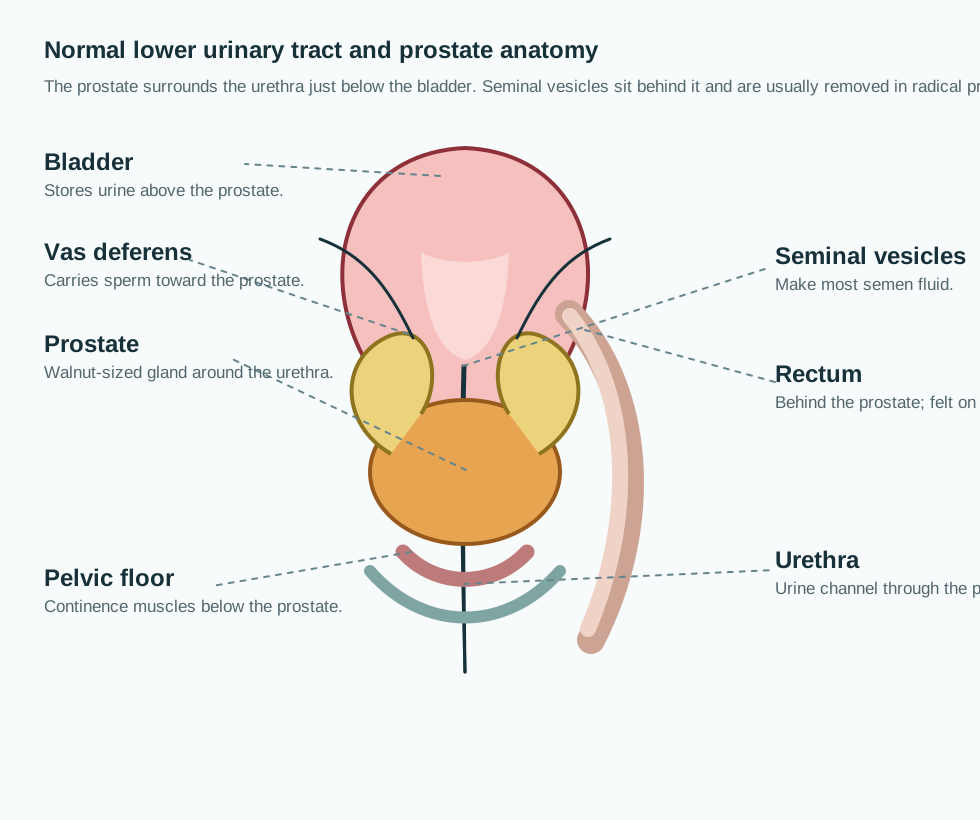
Normal lower urinary tract anatomy. The prostate wraps around the urethra below the bladder; the seminal vesicles sit behind it and are usually removed during radical prostatectomy.
Free/total PSALower percent-free PSA in the 4-10 range can raise suspicion.PHICombines PSA, free PSA and p2PSA to estimate clinically significant cancer risk.4KscoreBlood kallikrein panel plus clinical variables for high-grade cancer risk.Urine biomarker testsExoDx, SelectMDx, PCA3 and MyProstateScore/MPS2 are available in some regions to refine biopsy decisions after an elevated blood PSA or other suspicious context.Not a usual pre-PSA screenThese tests usually measure prostate-cancer RNA/gene markers, not PSA itself. They are generally used after PSA, not to decide whether a man should have a first PSA.MPS2 / 18-gene urine testNewer first-catch urine testing can estimate risk of clinically significant cancer; it complements PSA, MRI and clinical risk rather than replacing them in routine screening.Stockholm3 / IsoPSA / ProclarixEmerging or region-dependent blood tests that refine biopsy decisions.
Real-time scoring aid
Risk conversation score
This is not a validated diagnosis calculator and does not replace specialist consultation. It is a plain-English triage aid showing how PSA, family history, MRI, biomarkers and biopsy grade push the conversation from repeat testing toward MRI, biopsy, staging or treatment planning. A persistently elevated or rising PSA deserves urology review; some primary-care advice still reflects older anti-PSA skepticism and may not use the modern MRI/biomarker pathway. For formal models, use PCPT, PBCG/ERSPC-style calculators or a specialist nomogram with a urologist, radiation oncologist or medical oncologist.
Score0
Calculating...
Modern diagnostic pathway
PSA to MRI to targeted biopsy, if indicated.
1
Risk check
Repeat PSA, DRE, family history, ancestry, symptoms, prostate size, free PSA, PSA density, risk calculator or biomarker as locally available.
2
Prostate MRI
Multiparametric MRI can identify PI-RADS lesions, guide biopsy and reduce unnecessary biopsy in men with low clinical suspicion.
3
Biopsy
MRI-targeted plus systematic/perilesional sampling is common. Transperineal biopsy is increasingly preferred because infection risk is lower than transrectal biopsy.
4
Stage + biology
Grade group, tumor volume, PSA, MRI stage, PSMA PET/CT or bone scan in selected men, and germline/somatic genetic testing for higher-risk or advanced disease.
Prostate MRI is now central before many first biopsies.Biopsy is usually outpatient; infection prevention differs for transrectal vs transperineal routes.
Histology and prognosis
Gleason score is the microscope language of aggressiveness.
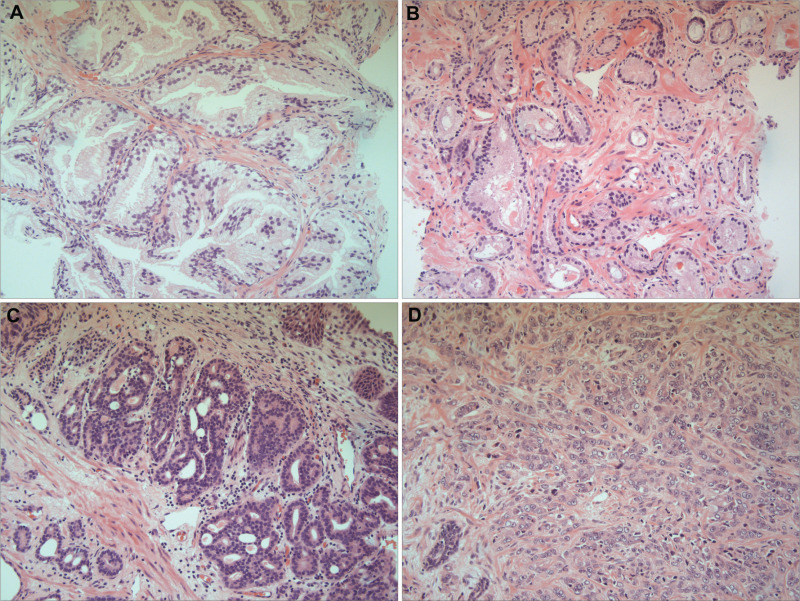
Real H&E histology from NCBI Bookshelf: A normal glands, B Gleason pattern 3, C Gleason pattern 4 with fused/cribriform glands, D Gleason pattern 5 with little gland formation.
Pathologists grade the two main patterns seen in biopsy tissue. Pattern 3 forms separate glands. Pattern 4 shows fused, poorly formed or cribriform glands. Pattern 5 has little or no gland formation. The order matters: Gleason 3+4=7 is usually less aggressive than 4+3=7 because the dominant pattern is lower grade.
Grade group
Gleason
Usual risk meaning
1
3+3=6
Low-grade; often active surveillance if low volume and otherwise favorable.
2
3+4=7
Favorable intermediate in selected men; surveillance sometimes possible, treatment often discussed.
3
4+3=7
Unfavorable intermediate; higher risk of recurrence and metastasis than 3+4.
4
8
High-risk; usually needs definitive treatment and staging.
5
9-10
Very high-risk biology; multimodal therapy often considered.
A personal PSA story
A routine 50-year-old check can matter.
Detection
At age 50, a routine PSA came back at 8.7 ng/mL, close to 9, far above the usual age-specific range. The prostate was not enlarged and did not feel abnormal on digital rectal examination, yet cancer was already extensive and close to the capsule. A transrectal biopsy under local anaesthetic, with antibiotics because infection and sepsis are real risks, found cancer in a large part of the gland. Family history also mattered: my father had prostate cancer too.
Treatment
Options including brachytherapy and surgery were discussed. Radical prostatectomy was performed within about two months, including removal of the prostate and seminal vesicles as is typical for cancer surgery.
Outcome
PSA fell to <0.05 ng/mL, effectively undetectable, and has remained effectively zero for 22 years since diagnosis. Side effects have included mild urgency/post-micturition leakage and moderate erectile dysfunction, but with preserved erections and orgasm at times.
For many men after radical prostatectomy, any confirmed PSA rise from undetectable is a trigger to discuss biochemical recurrence and possible salvage radiotherapy.
Because prostate cancer is common, one affected father or brother does not automatically mean a rare inherited syndrome. But it is not background noise either: NCI reports a father with prostate cancer roughly doubles risk, and risk is higher with a brother, early diagnosis, multiple relatives, metastatic disease, or related cancers in the family.
Family history
Tell your GP or urologist if a father, brother or son had prostate cancer, especially before 65, if several men were affected, or if anyone died from it. This usually pushes screening earlier and makes PSA trend more important.
Inherited germline testing
Blood or saliva testing looks for variants you were born with. Common panels include BRCA2, BRCA1, ATM, CHEK2, PALB2, HOXB13 and Lynch genes MLH1, MSH2, MSH6, PMS2, EPCAM.
Who should consider it?
Testing is most often discussed for metastatic, node-positive, high-risk, very-high-risk, intraductal/cribriform or younger-onset prostate cancer, or when family history includes breast, ovarian, pancreatic, colorectal, endometrial or male breast cancer.
Family members
If a pathogenic germline variant is found, relatives can have targeted cascade testing. This matters for sons and brothers, but also daughters and female relatives because BRCA and Lynch variants affect breast, ovarian, pancreatic, bowel and uterine cancer risk too.
Beyond prostate
A good germline result can change prevention for the whole family: earlier colonoscopy for Lynch syndrome, breast/ovarian/pancreatic surveillance for BRCA pathways, and sometimes cardiac, clotting or drug-metabolism information if a broader medical genetics panel is used.
Tumor testing is different
Somatic tumor testing looks at the cancer itself, using prostate tissue, metastatic biopsy or circulating tumor DNA from blood. It may find treatment targets even when the inherited germline test is normal.
In advanced or recurrent disease, tumor genomics can guide PARP inhibitors for DNA-repair defects, pembrolizumab for MSI-high/dMMR or high-TMB tumors, platinum sensitivity in some DNA-repair/neuroendocrine settings, clinical trials, and prognosis.
Costs and practicality
Costs vary by country, insurer and lab. In the US, patient-pay germline cancer panels are often about US$200-300, though formal ASCO ranges run from about US$250 to US$3,000 depending on panel depth. Tumor NGS is usually dearer: commonly US$1,000-4,000, with comprehensive profiling often above US$4,000. Public systems and insurance may cover testing when guideline criteria are met.
A genetic counselor is useful before testing when family implications are large, and after testing if a pathogenic variant or uncertain result is found.
Management choices
Watchful waiting, active surveillance and early intervention are different strategies.
Active surveillance vs watchful waiting
Active surveillance is structured monitoring for low-risk and selected favorable intermediate-risk disease, using PSA, exam, MRI and repeat biopsy. The intent remains curative if cancer changes. Watchful waiting is less intensive, often for older or frailer men, with treatment aimed at symptoms rather than cure if progression occurs.
In the 2024 JAMA active surveillance cohort, about half of favorable-risk men remained free of progression or treatment at 10 years; metastasis was under 2% and prostate-cancer death under 1%.
Radical prostatectomy
Removes prostate, seminal vesicles and sometimes pelvic lymph nodes. Best suited to men fit for surgery with localized or selected locally advanced disease. PSA should become undetectable after complete removal.
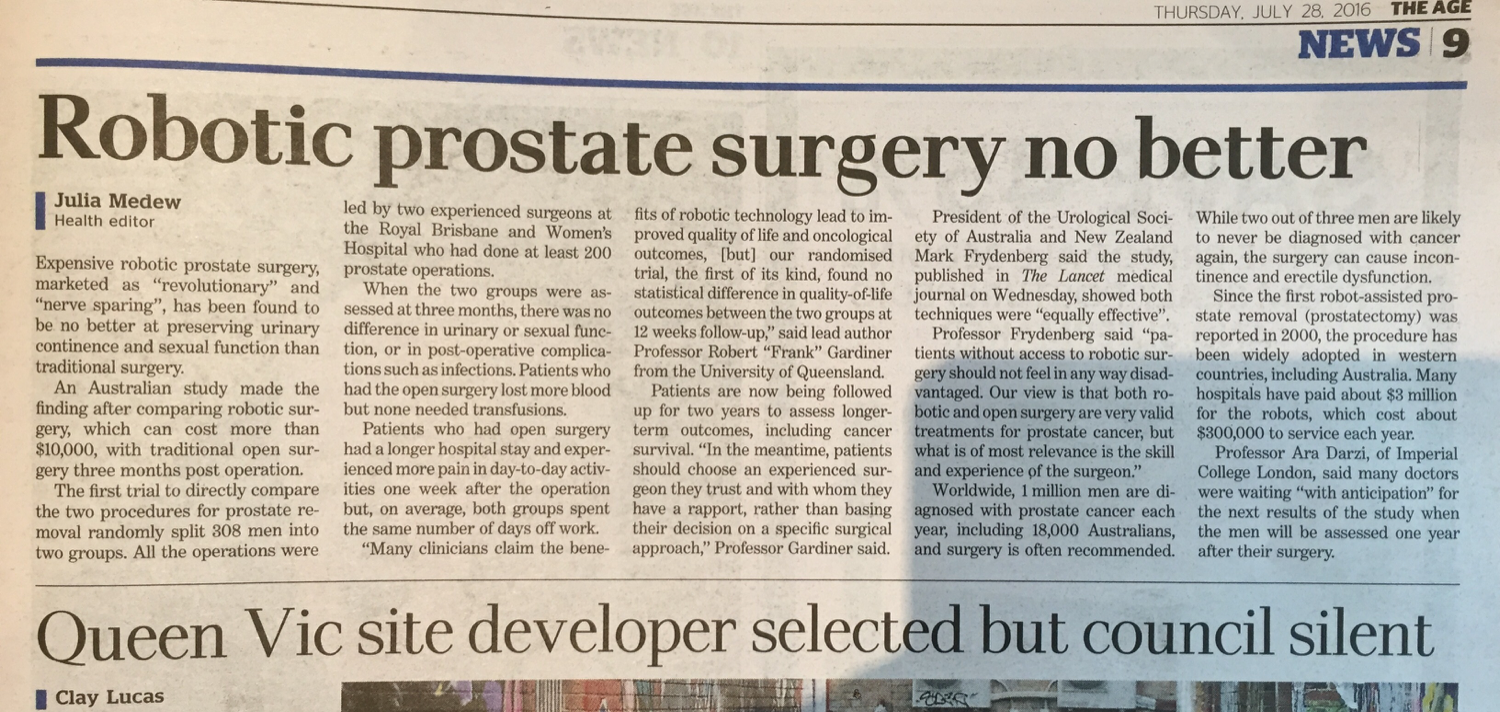
Robotic, open and laparoscopic approaches can all cure cancer in expert hands. Robot assistance often reduces blood loss and length of stay, but evidence that it universally improves continence, potency or cancer control is not overwhelming; surgeon experience and cancer anatomy matter more than the machine.
External beam, SBRT and brachytherapy
Radiotherapy can be curative and may be combined with androgen deprivation for intermediate/high-risk disease. Brachytherapy places radiation sources in or near the prostate. SBRT can compress treatment into fewer fractions for selected cases.
Key tradeoffs: less immediate incontinence than surgery in many series, but bowel irritation, urinary burning/obstruction, late radiation cystitis or proctitis, and delayed erectile dysfunction can occur. Salvage surgery after radiation is harder than salvage radiation after surgery.
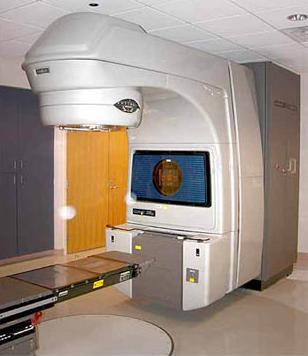
External beam radiotherapy is delivered by a linear accelerator. Image: US government/Wikimedia public domain.
Hormone, chemo, targeted and immune therapy
Advanced disease may use androgen deprivation therapy, abiraterone, enzalutamide, apalutamide, darolutamide, docetaxel, cabazitaxel, PARP inhibitors for DNA-repair mutations, radium-223 for bone-predominant disease, lutetium-177 PSMA radioligand therapy, sipuleucel-T, pembrolizumab for MSI-high/dMMR or high-TMB tumors, and clinical trials.
Surgery page essentials
What to expect after radical prostatectomy.
Continence
Leakage usually improves over months, but pad use persists in a minority. ProtecT reported pad use in 18-24% of prostatectomy patients at years 7-12, compared with lower rates after radiotherapy and active monitoring.
Erections
ED is common after surgery, especially without nerve-sparing or with older age, diabetes, vascular disease or pre-existing ED. PDE5 inhibitors, vacuum devices, injections and penile rehab may help.
Orgasm and semen
Orgasm can still occur, but ejaculation is dry because the prostate and seminal vesicles are removed. Sensation can change; some men have climacturia, penile shortening or altered intensity.
Recurrence
Biochemical recurrence is commonly defined around PSA ≥0.2 ng/mL after prostatectomy, confirmed. Early salvage radiotherapy can be considered before PSA rises high.
Major surgery: risk, fitness and likely years gained
Radical prostatectomy is major pelvic surgery, so the question is not only whether the cancer can be removed, but whether the expected cancer-control benefit is likely to exceed the perioperative and long-term functional cost. Curative surgery is usually most compelling when life expectancy is comfortably beyond 10 years and the cancer risk is high enough to matter during that time. In older, frail or multi-morbid men, active surveillance, radiotherapy, watchful waiting or symptom-directed care may give a better balance.
Heart and lungsAssess exercise tolerance, angina, heart failure, arrhythmia, sleep apnoea, smoking, COPD and prior clots. Poor cardiovascular reserve raises the cost of a long anaesthetic and steep Trendelenburg positioning for robotic surgery.Kidneys and medicinesCheck kidney function, diabetes, dehydration risk, blood pressure drugs, NSAIDs and anticoagulants. Postoperative infection, bleeding or low blood pressure can tip borderline kidneys into trouble.Brain and frailtyFrailty, falls, poor nutrition, cognitive impairment, alcohol dependence or prior delirium increase risk of slow recovery, confusion, rehab placement and loss of independence.Recovery burdenExpect catheter care, wound care, pelvic-floor rehab, fatigue, restricted lifting and weeks to months of continence/sexual recovery. The first month matters, but quality-of-life effects can persist for years.
Use the ACS NSQIP Surgical Risk Calculator with your surgeon or anaesthetist for personalized 30-day risks such as serious complication, pneumonia, cardiac complication, renal failure, readmission, return to theatre, discharge to rehab and death. It is not reliably deep-linkable/pre-filled; ask the surgeon for the planned CPT/procedure code. Common examples include 55866 for laparoscopic/robot-assisted radical prostatectomy and open retropubic codes such as 55842 or 55845 depending on lymph-node dissection.
Real surgical and pathology images
Graphic medical images below. They are non-identifying and included because real tissue and the operative field make radical prostatectomy less abstract.
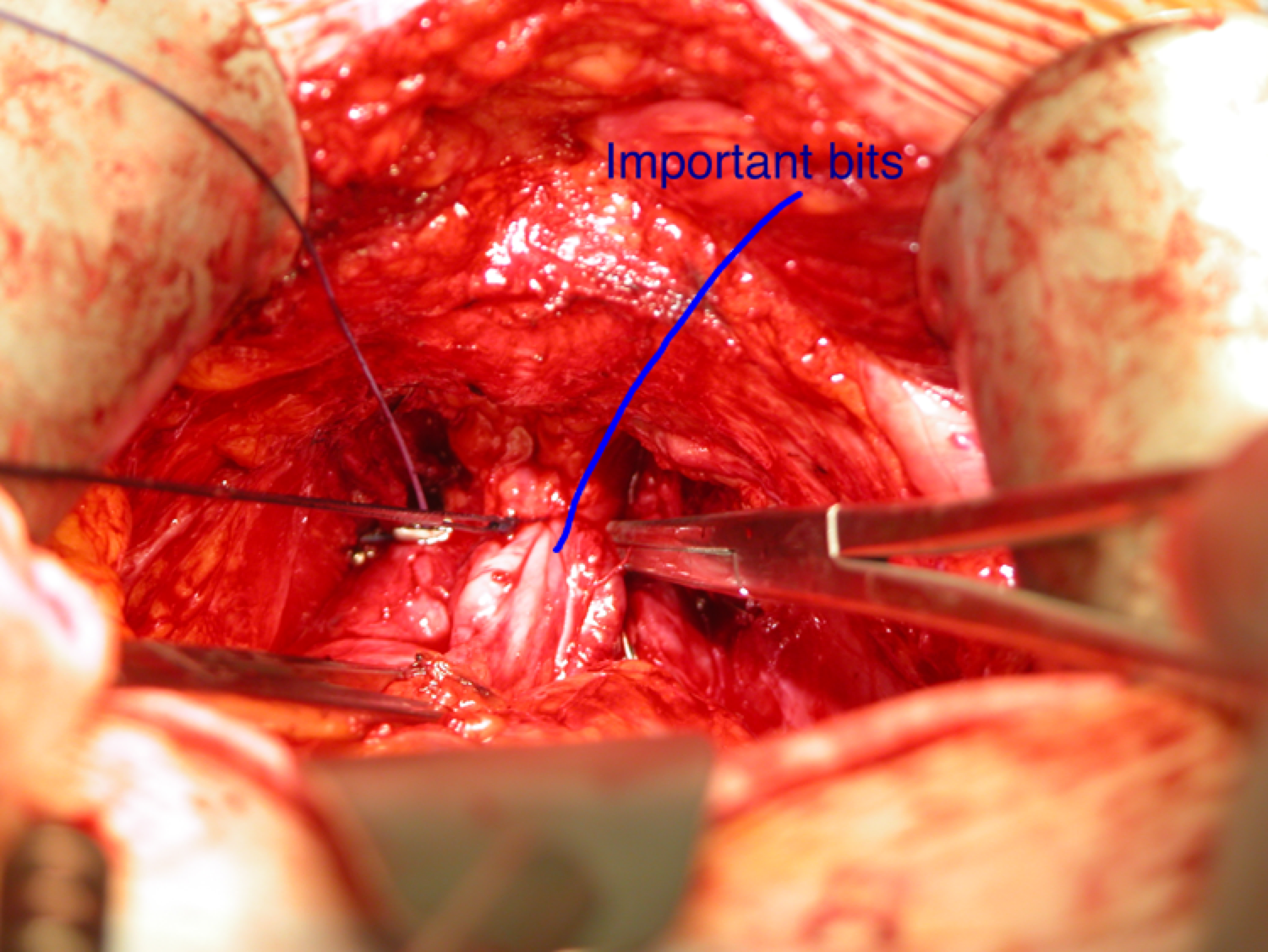
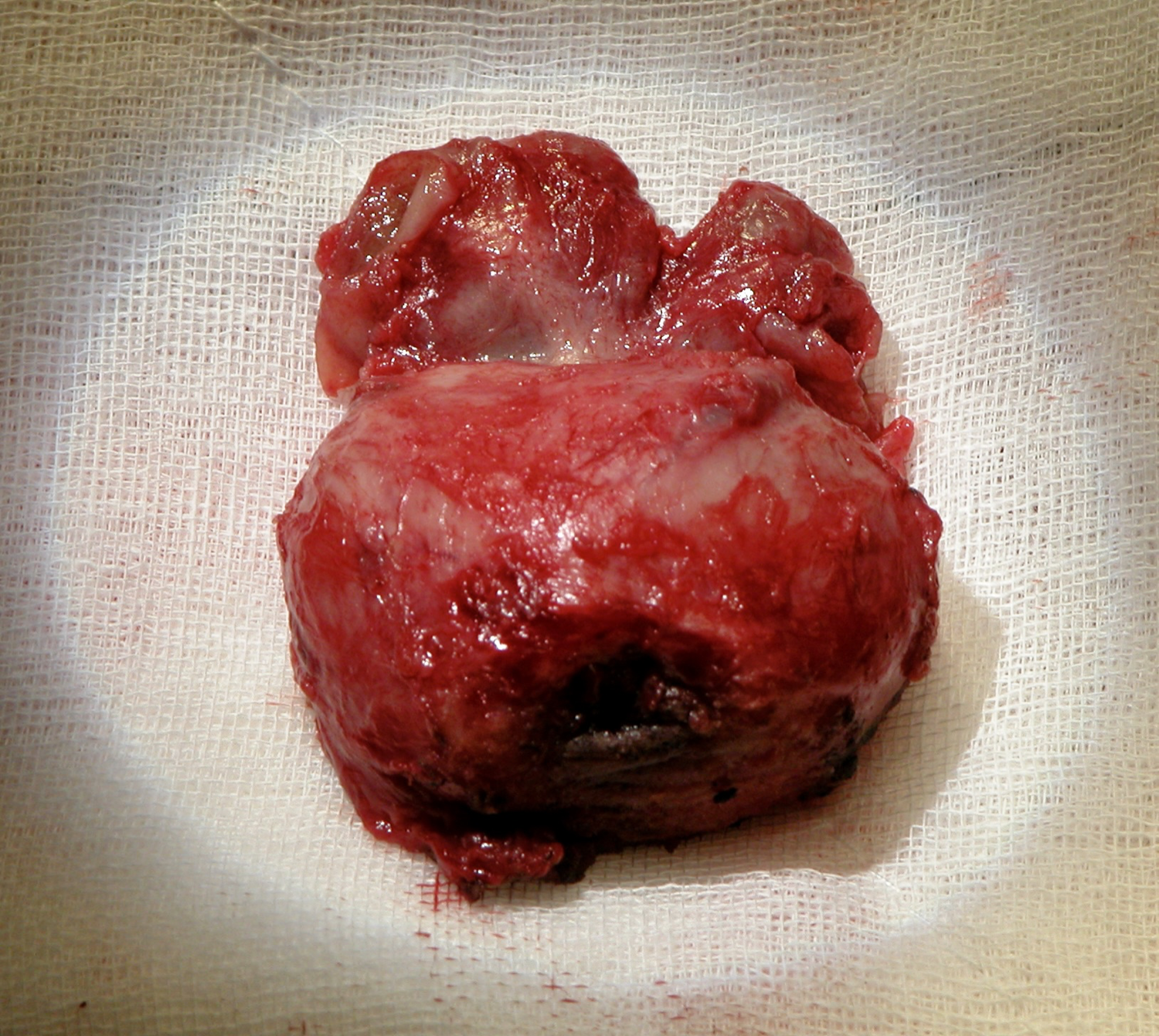
Open prostatectomy field. Nerve-sparing depends on meticulous dissection around the neurovascular bundles while still removing cancer safely; the principle matters more than the branding of the instrument.Removed prostate specimen. Seminal vesicles are often removed with the gland during radical prostatectomy.
Blood thinners and anaesthesia planning
Before major surgery, tell the surgeon and anaesthetist about warfarin, apixaban, rivaroxaban, dabigatran, edoxaban, aspirin, clopidogrel, NSAIDs, fish oil, turmeric, ginkgo, supplements and prior clots or stents. Some drugs must be stopped or bridged; others should not be stopped because clot risk is higher than bleeding risk. Do not self-stop without instructions.
Prostate cancer usually spreads first to lymph nodes and bone.
Metastatic spread commonly involves pelvic/retroperitoneal lymph nodes, spine, pelvis, ribs and long bones. Lung and liver spread can occur and often indicates more aggressive biology. PSMA PET has transformed recurrence detection, often finding disease at PSA levels too low for conventional CT or bone scan.
Important subtypes include acinar adenocarcinoma, ductal adenocarcinoma, intraductal/cribriform pattern, neuroendocrine or small-cell prostate cancer, treatment-emergent neuroendocrine disease, metastatic hormone-sensitive disease, non-metastatic castration-resistant disease and metastatic castration-resistant prostate cancer.
5-year relative survival by stage
Localized
>99%
Regional
>99%
Distant
38%
ACS/SEER, men diagnosed 2015-2021. Individual prognosis depends on modern treatment response and biology.
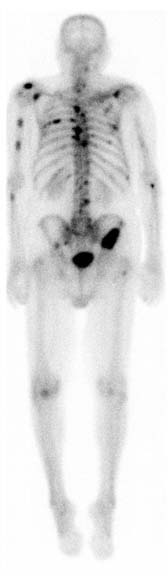
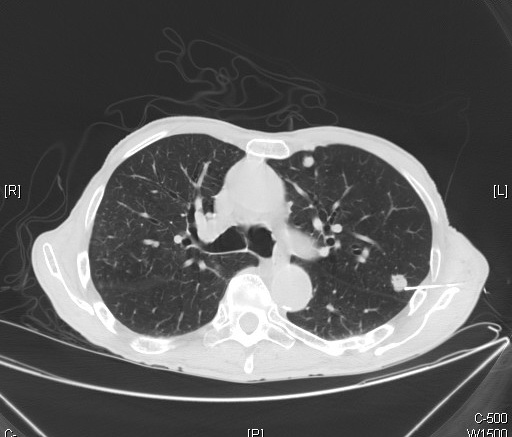
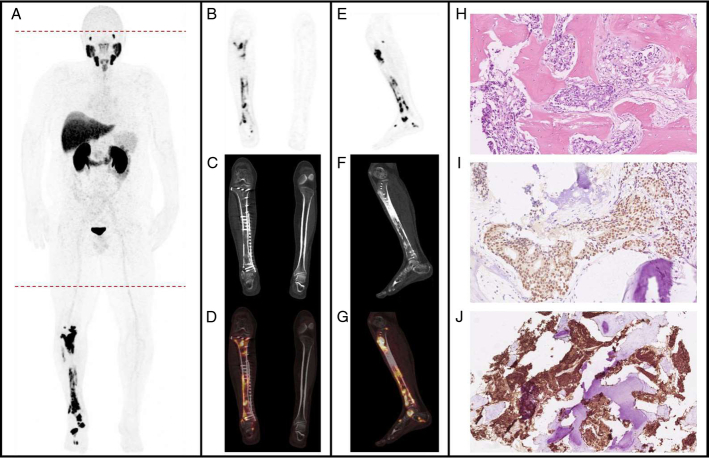
Bone scan: widespread osseous metastases from prostate cancer. Image: RadsWiki/Wikimedia, CC BY-SA 3.0.CT: metastatic prostatic adenocarcinoma involving lung. Image: Wikimedia, CC BY-SA source file.PSMA PET/CT and pathology: prostate cancer osseous metastasis presenting with a pathologic tibial fracture. Image: open-access PMC case report.
Future of robotic surgery
Autonomous surgery is coming in modules, not one dramatic leap.
Public discussion has long wrestled with whether robotic prostatectomy is worth the cost.
Today, da Vinci prostatectomy is telemanipulated: the surgeon controls the instruments. The machine filters tremor and improves vision and dexterity, but it does not decide cancer margins, nerve sparing or lymph node strategy.
Research systems have performed structured soft-tissue tasks and a gallbladder-removal sequence in pig/ex vivo models, responding to commands and videos. Orthopaedic robots already assist hip and knee replacement with bone preparation and implant positioning because bone geometry is more constrained than pelvic soft tissue. Prostate surgery is harder: nerves, urethra, rectum, vessels and cancer boundaries vary minute by minute.
The likely future is stepwise autonomy: camera control, suturing, dissection assistance, margin-aware imaging, safety stops and decision support, with expert surgeons still accountable for judgment.
Better graphs
Key outcome numbers in one place.
ProtecT 15-year outcomes
Death: monitoring
3.1%
Death: surgery
2.2%
Death: radiotherapy
2.9%
Metastasis: monitoring
9.4%
Metastasis: surgery
4.7%
Metastasis: radiotherapy
5.0%
US race/ethnicity incidence per 100,000
Black
200.1
White
122.2
Hispanic
92.6
Asian/Pacific
66.6
Projected global surge
2020 cases
1.4M
2040 cases
2.9M
Lancet Commission projection, driven heavily by ageing and longer life expectancy.
Costs and society
Prices are wildly variable, especially for uninsured or international self-pay patients.
Country
Robotic prostatectomy indicative private/self-pay range
Notes
USA
US$25k-60k+
Hospital billing, surgeon, anaesthesia, pathology and insurance contracts vary sharply.
UK private
GBP12k-28k+
NHS pathways differ from private self-pay.
Australia/NZ
A$15k-35k+ / NZ$20k-40k+
Gap fees, hospital cover and device fees vary.
Singapore
S$25k-50k+
Public subsidy vs private hospital changes the number.
Thailand
THB978k-990k packages cited by Bangkok Hospital
Package exclusions matter.
India
US$5k-12k
Often lower medical-tourism pricing; quality and surgeon volume still need checking.
Turkey
US$8k-15k
International packages vary by hospital, robot access and included aftercare.
Costs are indicative, not quotes. Ask for itemised written pricing, what happens if complications occur, and whether salvage treatment/follow-up is included.